
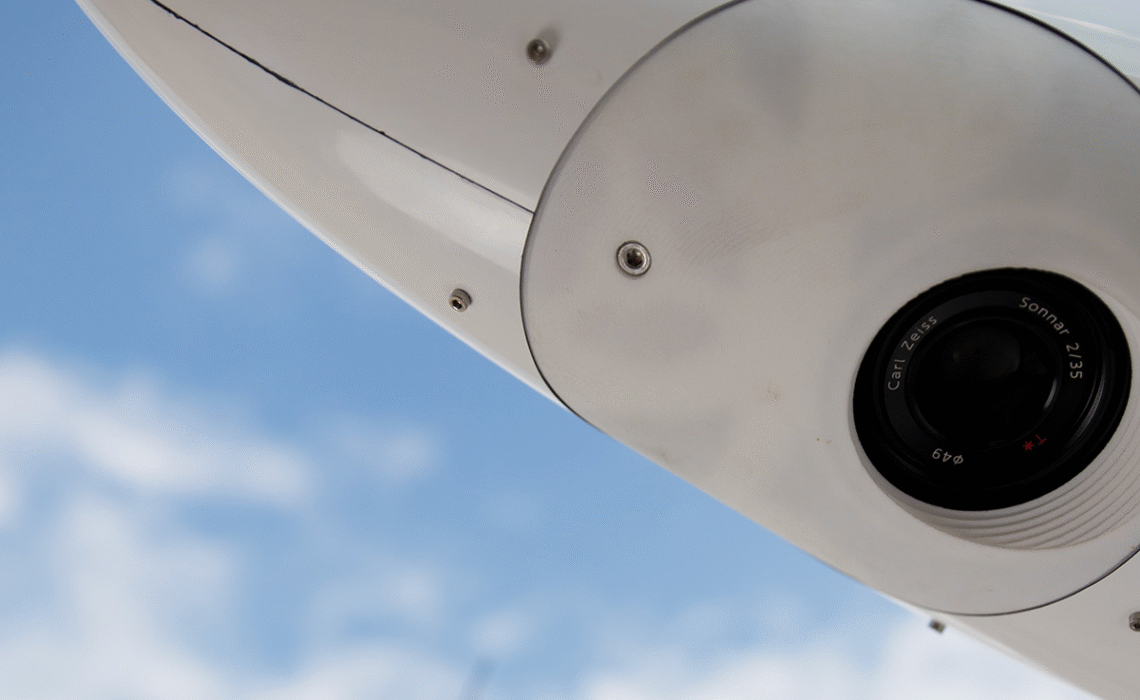
The unmanned aerial vehicle (UAV) industry is growing rapidly, with drones playing vital roles in sectors like agriculture, infrastructure inspection, mapping, logistics, and defense. As applications expand, engineers face pressure to develop UAV platforms faster while ensuring high performance, reliability, and efficiency. UAV rapid prototyping has emerged as a key strategy, allowing teams to design, test, and refine drones at unprecedented speed.
Understanding UAV Rapid Prototyping
UAV rapid prototyping is the process of quickly creating, testing, and iterating drone components or entire systems. Instead of relying on long manufacturing lead times or expensive tooling, engineers can produce physical parts directly from digital designs. This approach shortens the feedback loop between design decisions and real-world performance, enabling rapid evaluation of airframe geometry, payload integration, structural strength, and flight stability.
In today’s competitive UAV market, development speed is critical. Startups and established companies alike need to test new sensors, integrate payloads, and optimize performance within days or weeks, rather than months. Rapid prototyping makes this possible by providing flexible, fast, and cost-effective solutions.
The Role of Additive Manufacturing
Additive manufacturing is at the heart of UAV rapid prototyping. Unlike traditional subtractive methods, additive manufacturing builds parts layer by layer from digital models. This allows engineers to create complex geometries that would be impossible or costly with conventional techniques. Common materials include engineering-grade plastics like nylon, as well as metals such as aluminum, depending on performance requirements
For UAV design, additive manufacturing offers multiple benefits. Lightweight structures with internal lattice patterns reduce mass without sacrificing strength. Designers can integrate cable channels, airflow ducts, and mounting interfaces directly into components, eliminating the need for multiple parts. These capabilities allow engineers to optimize weight, functionality, and manufacturability at the same time.
Lightweight Design and Structural Efficiency
Weight is a critical factor in UAV performance. A lighter airframe improves flight endurance, increases payload capacity, and enhances maneuverability. Rapid prototyping enables engineers to experiment with lightweight structures that maintain necessary rigidity. Using topology optimization, thin-walled designs, and complex internal supports, teams can produce airframes and components that balance strength and weight efficiently.
This approach reduces material waste, lowers manufacturing costs, and ensures that UAVs meet strict performance requirements without unnecessary compromises.
Iteration Through Flight Testing
One of the most valuable aspects of UAV rapid prototyping is the ability to iterate based on real-world testing. Components such as landing gear, propeller guards, or sensor housings can be refined after observing performance in flight conditions. Engineers can adjust geometry, improve material distribution, and produce upgraded versions within a short time frame, reducing costly redesigns later in the product lifecycle.
Rapid iteration encourages experimentation and innovation, allowing UAV teams to identify the best solutions faster than ever before.
From Prototype to Production
Many UAVs are produced in low volumes or are highly specialized. Rapid prototyping technologies bridge the gap between development and production by enabling on-demand manufacturing of flight-ready components. Digital designs used in testing can be directly manufactured without expensive molds or tooling.
This flexibility supports distributed production and spare part availability while lowering upfront costs. UAV startups and research teams benefit especially from this approach, as it allows them to bring innovative designs to market without large-scale investments.
The Future of UAV Rapid Prototyping
As UAV technology advances, rapid prototyping will continue to play a pivotal role. Innovations such as autonomous navigation, AI-driven flight systems, advanced batteries, and multi-sensor payloads are increasing the complexity of drone development. By combining digital design, simulation tools, and additive manufacturing, engineers can meet these challenges efficiently.
UAV rapid prototyping is not just a development method, it’s a competitive advantage. Teams that can move from concept to flight-ready hardware quickly are better positioned to innovate, adapt, and succeed in a fast-moving aerial technology market.
Ready to turn your UAV concepts into functional prototypes? Shapeways offers high-quality additive manufacturing services that let you produce drone components with precision, speed, and flexibility.
From lightweight structural parts to custom sensor mounts, you can move from digital design to real-world testing faster than ever. Start your rapid prototyping journey today and bring your next drone innovation off the page and into the sky. Contact us for support
Interested in how digital manufacturing is reshaping Aerospace and Drone innovation?
You may also find these resources helpful: