
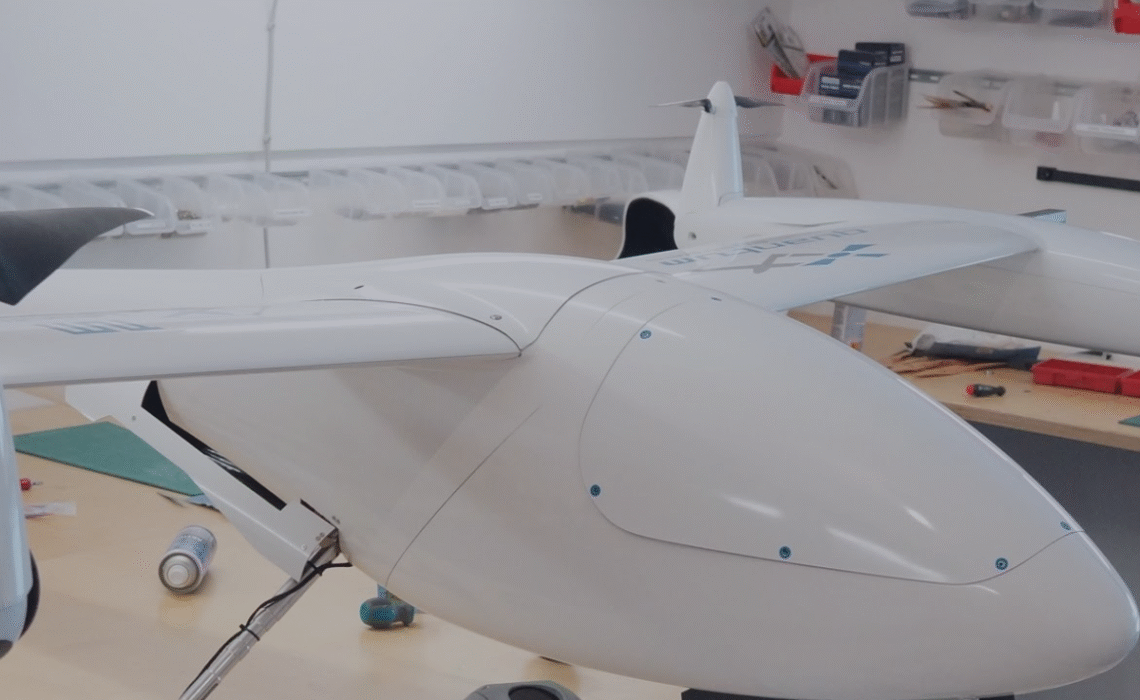
The defense sector operates under some of the most demanding conditions imaginable. Equipment failures are not mere inconveniences; they can compromise missions and endanger lives. Because of this, every component must meet extremely strict quality standards.
For decades, traditional manufacturing methods dominated this space. However, additive manufacturing is now changing that. Today, 3D printing can deliver both the innovation and the uncompromising quality required by defense organizations.
This shift represents a massive leap forward for military supply chains. By combining the agility of 3D printing with rigorous quality control, the defense sector is unlocking new ways to design, produce, and maintain critical equipment.
Meeting Rigorous Defense Quality Standards
Integrating additive manufacturing into defense operations requires strict adherence to industry regulations. Defense organizations demand comprehensive material traceability, repeatable precision, and thorough documentation for every part produced.
Manufacturers serving this sector must comply with frameworks like AS9100, the international quality management standard for the aerospace and defense industries. Additive manufacturing platforms have evolved to meet these expectations. It Implements robust quality management systems that monitor the printing process from the initial digital file all the way to the final physical inspection.
Benefits of 3D Printing for Defense Applications
The military’s adoption of additive manufacturing is driven by a few distinct operational advantages that traditional methods struggle to match.
Accelerating Production Speed
When defense organizations need replacement parts in the field or rapid iterations of a new drone prototype, time is a critical factor. 3D printing dramatically reduces lead times. Instead of waiting weeks or months for tooling and molds, engineers can send a digital design directly to a printer and have a functional part in a matter of hours or days.
Unlocking Complex Geometries
Additive manufacturing builds parts layer by layer. This allows engineers to create complex, lightweight structures that are impossible to machine or cast. The capability is highly valuable in aerospace and defense, where reducing the weight of an aircraft or tactical vehicle directly translates to better fuel efficiency and increased payload capacity.
Strengthening the Supply Chain
Global disruptions can severely impact military readiness. 3D printing offers a decentralized approach to manufacturing. Instead of relying on a single overseas supplier for a critical component, defense organizations can transmit digital files securely and print the necessary parts closer to the point of need. This on-demand production model reduces inventory costs and mitigates logistical bottlenecks.
Overcoming Challenges in Defense Manufacturing
Despite its advantages, adopting 3D printing for military use comes with specific hurdles. One major challenge is material qualification. Every new polymer or metal alloy introduced into a defense system must undergo exhaustive testing to prove it can withstand extreme temperatures, impacts, and corrosive environments.
Cybersecurity is another critical concern. Because additive manufacturing relies heavily on digital files, protecting those CAD models from interception or malicious tampering is just as important as securing the physical production facility. Manufacturers are addressing these challenges by developing encrypted digital workflows and expanding their portfolios of certified, defense-grade materials.
Advancing Aerospace and Defense With Shapeways
As the defense sector continues to modernize its supply chain, finding the right manufacturing partner is essential for success. Shapeways offers specialized solutions designed to meet the rigorous demands of aerospace and defense manufacturing.
With facilities that maintain ISO 9001 and AS9100 certifications. Shapeways guarantees that sensitive projects are handled with the highest level of security and quality control. By leveraging advanced additive technologies and a wide array of industrial-grade materials from durable nylons to high-performance metals like titanium and aluminium. Shapeways helps defense contractors move seamlessly from rapid prototyping to low-volume production.
To learn more about how to elevate your defense manufacturing capabilities, explore Shapeways’ specialized aerospace and defense solutions. You can contact us here