
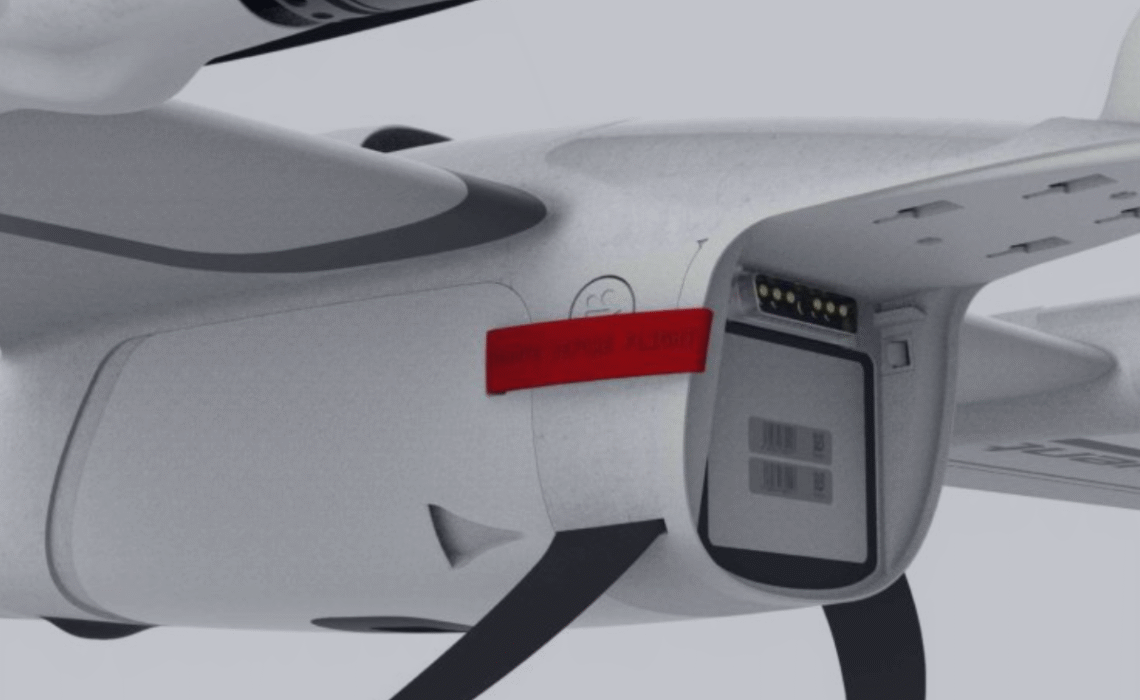
As unmanned aerial vehicles (UAVs) continue to evolve, engineers are pushing beyond basic airframe optimization into increasingly sophisticated component design. While lightweight structures remain essential for improving flight performance, modern UAV systems often require a different approach, one that embraces complexity. From integrated sensor housings to multi-functional structural parts, designing complex UAV components introduces new opportunities and challenges that go beyond traditional lightweight engineering.
Understanding when to prioritize complexity over minimal weight is key to building high-performance, mission-ready UAV platforms.
The Shift from Lightweight to Complex Design
Lightweight design has long been a cornerstone of UAV engineering. Reducing mass improves flight time, increases payload capacity, and enhances maneuverability. However, as UAV applications become more advanced incorporating AI systems, multi-sensor payloads, and autonomous navigation the need for more complex components is growing.
Complex UAV components are not simply heavier parts. They are highly integrated structures that combine multiple functions into a single design. For example, a single component might include mounting interfaces, internal cable routing, cooling channels, and aerodynamic shaping. Rather than assembling multiple simple parts, engineers are increasingly consolidating them into unified, multi-functional geometries.
This shift reflects a broader trend: optimizing overall system performance, not just minimizing weight.
Functional Integration: Doing More with Less Assembly
One of the primary advantages of complex component design is functional integration. By embedding multiple features into a single part, engineers can reduce assembly time, minimize fasteners, and eliminate potential points of failure.
For UAVs, this can include:
- Sensor housings with built-in vibration damping structures
- Airframes with internal wire routing channels
- Structural components that also serve as thermal management systems
- Mounts that integrate aerodynamic fairings
This level of integration improves reliability and reduces maintenance requirements. Fewer parts mean fewer failure points, which is especially important in mission-critical UAV operations such as inspection, defense, or remote data collection.
Managing Weight in Complex Designs
While complexity often increases functionality, it can also introduce additional weight if not carefully managed. This is where advanced design strategies come into play.
Engineers use techniques such as:
- Topology optimization to remove unnecessary material
- Lattice structures to maintain strength while reducing mass
- Generative design to explore highly efficient geometries
These approaches allow complex components to remain lightweight despite their added functionality. Instead of choosing between complexity and weight, designers can achieve both through smart engineering and digital optimization tools.
The goal is not to avoid complexity, but to control it.
The Role of Additive Manufacturing
Traditional manufacturing methods often limit how complex a part can be. Machining, molding, and assembly processes can make highly integrated designs expensive or impractical. This is where additive manufacturing becomes a critical enabler.
By building parts layer by layer, additive manufacturing allows engineers to create geometries that would otherwise be impossible. Internal channels, organic shapes, and consolidated assemblies can all be produced directly from digital models.
For UAV development, this means:
- Rapid production of complex prototypes
- Reduced need for multi-part assemblies
- Faster iteration cycles for integrated designs
- Cost-effective low-volume production
Complex UAV components that once required multiple manufacturing steps can now be produced as a single, optimized part.
Design Complexity vs. Maintainability
While integration offers many benefits, it also introduces trade-offs, particularly in maintenance and repair. A highly integrated component may be more difficult to replace or modify compared to a modular system.
Engineers must carefully consider:
- Whether components need to be field-replaceable
- How damage to one feature affects the entire part
- The cost implications of replacing complex assemblies
In some cases, a hybrid approach is ideal. Critical systems may remain modular for easy replacement, while non-critical structures can be fully integrated to maximize efficiency.
Balancing integration with maintainability is essential for long-term UAV performance.
Application-Driven Design Decisions
The choice between lightweight and complex component design often depends on the UAV’s mission profile.
For example:
- Long-endurance drones may prioritize ultra-lightweight structures to maximize flight time
- Inspection or mapping UAVs may benefit from integrated sensor housings and stabilized mounts
- Defense or industrial UAVs may require rugged, multi-functional components that prioritize durability and integration over minimal weight
There is no one-size-fits-all approach. The most effective designs are those that align structural decisions with real-world operational requirements.
Bringing Complex UAV Designs to Life
Designing complex UAV components requires the right combination of tools, materials, and manufacturing capabilities. Additive manufacturing provides the flexibility to move from concept to functional part quickly, enabling engineers to experiment, iterate, and refine integrated designs.
Whether you’re developing advanced sensor housings, structural assemblies, or fully integrated UAV subsystems, leveraging modern manufacturing methods can unlock new levels of performance and efficiency.
As UAV applications continue to expand, the ability to balance complexity and weight will define the next generation of drone innovation. Explore how Shapeways can help elevate your UAV designs and push the boundaries of what’s possible in advanced drone engineering.
Interested in how digital manufacturing contributes to the UAV industry?
You may also find these resources helpful:
👉 Contact us or explore available materials and manufacturing options with Shapeways