
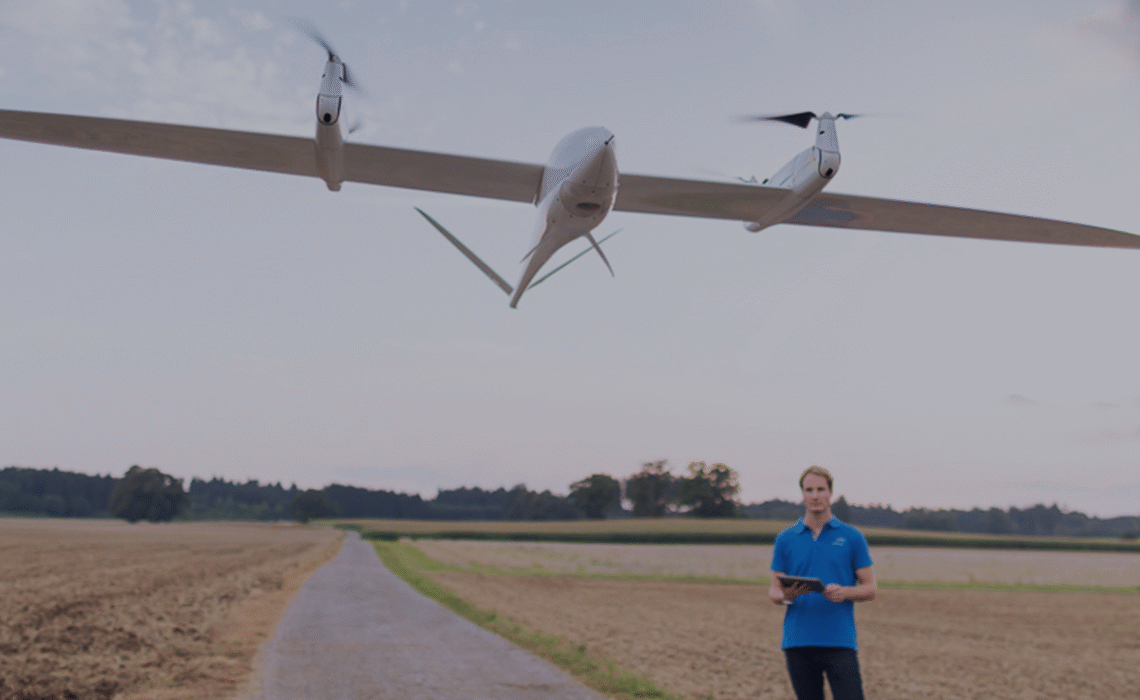
Unmanned aerial vehicles (UAVs) have become essential tools across industries such as agriculture, infrastructure inspection, mapping, logistics, and defense. As drone capabilities expand, engineers are constantly working to improve performance, endurance, and payload capacity. One of the most important factors influencing UAV performance is structural weight. Lightweight structures in UAV design play a crucial role in enabling longer flight times, greater efficiency, and improved maneuverability.
Designing lightweight yet durable UAV structures requires a careful balance between strength, material selection, and advanced manufacturing methods. By optimizing structural components, engineers can significantly enhance overall drone performance without compromising reliability.
Why Lightweight Structures Matter in UAV Design
Weight directly affects nearly every aspect of UAV performance. A lighter drone requires less energy to stay airborne, which improves flight endurance and reduces power consumption. This can allow drones to fly longer distances, carry additional payloads, or operate with smaller battery systems.
Reducing structural weight also improves maneuverability and stability. Lighter airframes can respond more quickly to flight control inputs, which is especially important for applications such as inspection, surveillance, and autonomous navigation.
For many commercial UAV applications, optimizing structural weight can be the difference between a drone that meets mission requirements and one that falls short.
Structural Optimization and Smart Design
Creating lightweight UAV structures goes beyond simply using less material. Engineers must design components that distribute loads efficiently while maintaining the necessary strength to withstand flight forces, vibration, and environmental conditions.
Techniques such as topology optimization help designers determine where material is truly needed. By analyzing load paths and stress distribution, software tools can generate optimized geometries that remove unnecessary mass while preserving structural integrity.
These optimized designs often result in organic shapes, internal channels, and lattice-like reinforcements that are difficult or impossible to produce using traditional manufacturing methods but are highly compatible with additive manufacturing.
Materials for Lightweight UAV Structures
Material selection is another critical aspect of lightweight UAV design. Engineers must choose materials that offer the right combination of strength, stiffness, durability, and weight.
Common materials used in UAV structures include:
- Carbon fiber composites for high strength-to-weight ratios
- Aluminum alloys for structural components and mounts
- Advanced polymers and engineering plastics for lightweight housings
- Additive manufacturing materials for complex or customized components
Each material offers specific advantages depending on the UAV’s size, mission profile, and operating environment.
Balancing Strength and Durability
While reducing weight is important, UAV structures must still withstand the stresses of flight and operation. Structural components must resist aerodynamic loads, vibrations from motors and propellers, and impacts during landing or transport.
Engineers address these challenges by combining lightweight design techniques with careful structural analysis. Simulation tools and real-world testing help ensure that optimized components maintain the necessary safety margins.
By balancing weight reduction with durability, designers can produce UAV structures that perform reliably in demanding environments.
The Future of Lightweight UAV Design
As UAV technology continues to evolve, the demand for lighter and more efficient drone platforms will only increase. Advances in materials science, computational design tools, and digital manufacturing methods are enabling engineers to push the boundaries of what is possible in lightweight structural design.
Innovations such as generative design, lattice structures, and multi-material manufacturing are opening new possibilities for UAV airframes and components. These technologies allow designers to create structures that are stronger, lighter, and more efficient than traditional designs.
Companies that adopt these advanced design and manufacturing approaches will be better positioned to develop high-performance UAV platforms for the rapidly growing drone market.
Build Lightweight UAV Components with Shapeways
If you’re designing UAV structures that demand lightweight performance and precision, additive manufacturing can help bring your designs to life. Shapeways offers advanced 3D printing solutions that enable engineers to produce complex, lightweight drone components with high accuracy and fast turnaround times.
With a broad range of production-grade materials including high-strength polymers and metal options. Shapeways supports everything from rapid prototyping to end-use parts, helping teams move efficiently from concept to deployment.
Explore how additive manufacturing can improve your drone designs and start building here
👉 Contact us or explore available materials and manufacturing options with Shapeways