Kampfflieger models

Designs by kampfflieger

We found 317 products by kampfflieger

by kampfflieger
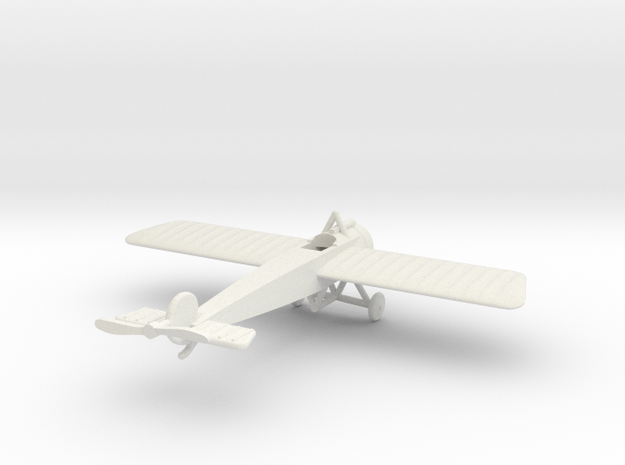
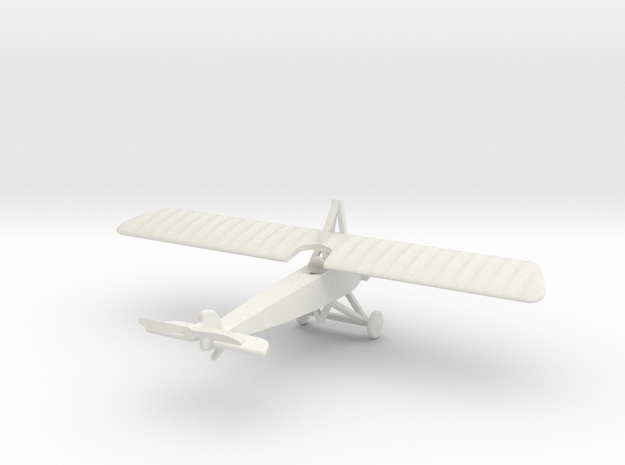
The Deperdussin TT was a French monoplane built in small numbers by Société Pour les Appareils Deperdussin or S.P.A.D. The type's use by the French Air Force (then Aviation Militaire) was very brief, due to its frailty and lack of weapons. A number were used by the Naval Wing of the British Royal Flying Corps, one being fitted with floats and flown from Lake Windemere. Also used by Australia, Belgium, Portugal, Russia, Serbia, Spain and Turkey. Madsen-armed aircraft was used by Imperial Russian Air Service.
 
(0)  
  •  
From: $6.75
 
by kampfflieger
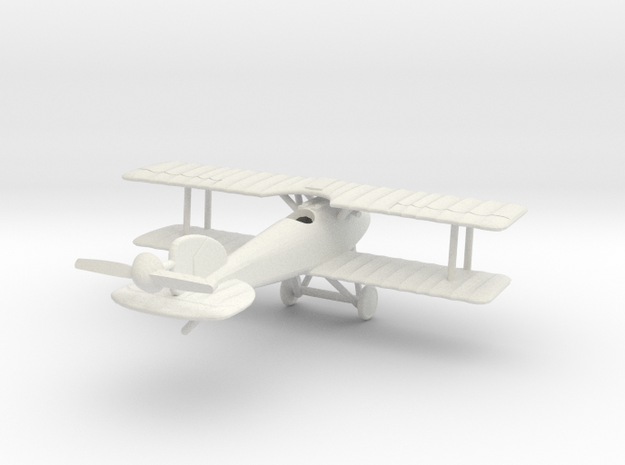
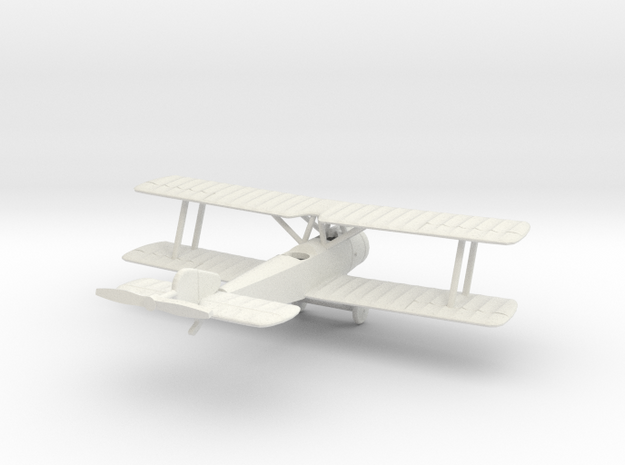
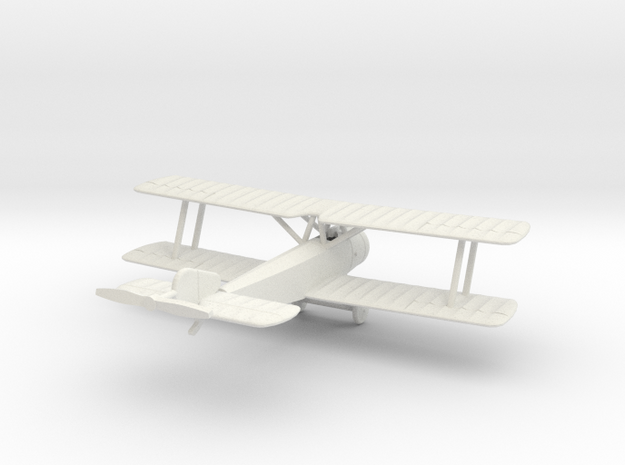
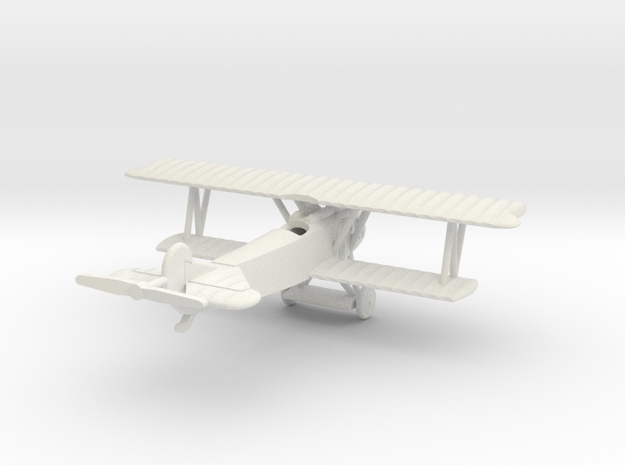
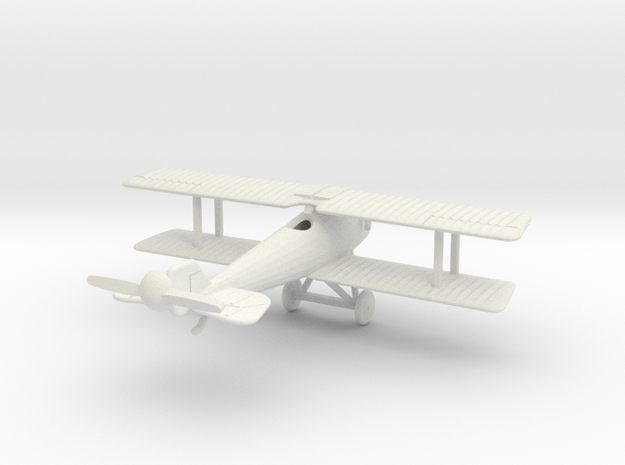
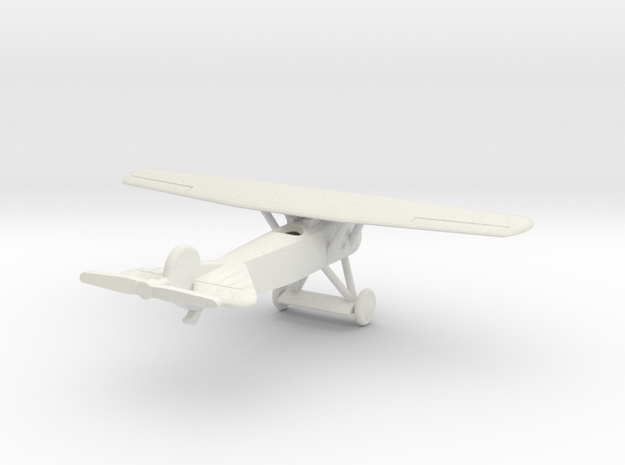
The Pfalz D.XII was a German fighter aircraft built by Pfalz Flugzeugwerke. Designed by Rudolph Gehringer as a successor to the Pfalz D.III, the D.XII entered service in significant numbers near the end of the First World War. It was the last Pfalz aircraft to see widespread service. Though the D.XII was an effective fighter aircraft, it was overshadowed by the highly successful Fokker D.VII.
 
(0)  
  •  
From: $6.86
 
by kampfflieger
In July 1941 the US Army Ordnance Corps issued specifications for a heavy armored car (along with another specification for a medium armored car, which resulted in the T17 Armored Car) to be built for supply to the British. The prototype was developed in 1942 by the Yellow Coach Company. It was large 8x8 (eight wheels, all driven; called an "eight-by-eight") vehicle with four front wheels used for steering. Thick armor brought the weight to 26 tons, about the weight of contemporary medium tanks. Initial armament consisted of a 37 mm gun M6 in a turret with a coaxial .30 inch machine gun and another .30 inch MG in the bow mount. By then it was clear that the anti-tank performance of the 37 mm gun was insufficient and the production version, the T18E2, which was named Boarhound by the British received the 57 mm gun M1, the US-manufactured variant of the British QF 6 pounder. The United States Army had never shown interest in the vehicle. The British Army placed an order for 2,500 units, but high production costs and poor cross-country performance led to cancellation of the order after only 30 were delivered.
 
(1)  
  •  
From: $44.43
 
by kampfflieger
The Boulton Paul Defiant was a British interceptor aircraft that served with the Royal Air Force (RAF) early in the Second World War. The Defiant was designed and built by Boulton Paul Aircraft as a "turret fighter", without any forward-firing guns. It was a contemporary of the Royal Navy's Blackburn Roc. The concept of a turret fighter related directly to the successful First World War-era Bristol F.2 Fighter. In practice, the Defiant was found to be vulnerable to the Luftwaffe's more agile, single-seat Messerschmitt Bf 109 fighters. Lack of forward armament proved to be a major weakness in daylight combat and its potential was only realized when it switched to night combat. It was supplanted in the night fighter role by the Bristol Beaufighter and de Havilland Mosquito. The Defiant found use in gunnery training, target towing, electronic countermeasures (ECM) and air-sea rescue. Among RAF pilots, it had the nickname "Daffy", probably a diminutive of the word "Defiant".
 
(0)  
  •  
From: $6.65
 
by kampfflieger
The Lockheed F-94 Starfire was the United States Air Force's first operational jet-powered all-weather interceptor aircraft. It was a development by Lockheed of the twin-seat T-33 Shooting Star trainer aircraft. The F-94C Starfire was significantly modified from the early F-94 variants; in fact, it was initially designated F-97, but it was decided to treat it as just a new version of F-94. Initially, USAF interest was lukewarm, so Lockheed funded development themselves by converting two F-94B airframes to YF-94C types for evaluation. To improve performance, a totally new wing was fitted, much thinner than the previous one and a swept tail surface. The J33 engine was replaced by a more powerful Pratt & Whitney J48, a license-built version of the afterburning Rolls-Royce Tay which dramatically increased power, giving a dry thrust of 6,350 pounds-force (28.2 kN) and with afterburning approximately 8,750 pounds-force (38.9 kN) of thrust. The fire control system was upgraded to the new Hughes E-5 with AN/APG-40 radar in a much larger nose. The guns were removed, replaced with an all-rocket armament mounted in a ring around the nose radome. The rockets were loaded into flip-up panels on the sides of the nose, and fired by opening four panels just behind the radome. According to test pilot Tony LeVier, the F-94C was capable of supersonic flight.
 
(0)  
  •  
From: $16.48
 
by kampfflieger
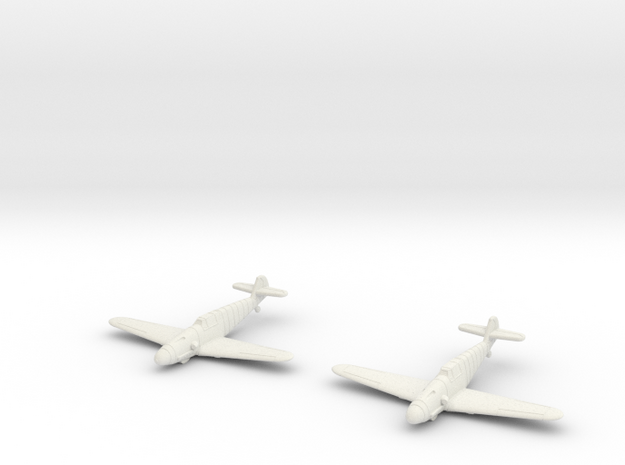
The Vought SB2U Vindicator was a carrier-based dive bomber developed for the United States Navy in the 1930s, the first monoplane in this role. Obsolescent at the outbreak of World War II, Vindicators still remained in service at the time of the Battle of Midway, but by 1943, all had been withdrawn to training units. It was known as the Chesapeake in Royal Navy service.
 
(0)  
  •  
From: $6.95
 
by kampfflieger
The Pfalz D.XII was a German fighter aircraft built by Pfalz Flugzeugwerke. Designed by Rudolph Gehringer as a successor to the Pfalz D.III, the D.XII entered service in significant numbers near the end of the First World War. It was the last Pfalz aircraft to see widespread service. Though the D.XII was an effective fighter aircraft, it was overshadowed by the highly successful Fokker D.VII.
 
(0)  
  •  
From: $15.27
 
by kampfflieger
The Vought SB2U Vindicator was a carrier-based dive bomber developed for the United States Navy in the 1930s, the first monoplane in this role. Obsolescent at the outbreak of World War II, Vindicators still remained in service at the time of the Battle of Midway, but by 1943, all had been withdrawn to training units. It was known as the Chesapeake in Royal Navy service.
 
(0)  
  •  
From: $29.83
 
by kampfflieger
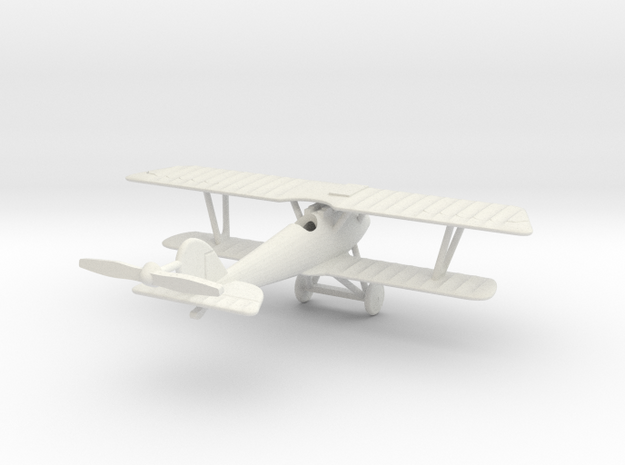
This aircraft was a larger version of the V.27, powered first with the 160 h.p. Mercedes D III and later with the 185 h.p. B.M.W. IIIa engine. It was a parasol version of the D VII and took part in the third D types Competition.
 
(0)  
  •  
From: $7.40
 
by kampfflieger
The Martin AM Mauler (originally BTM) was a shipboard attack aircraft of the United States Navy. Designed during World War II, the Mauler encountered production delays and did not enter service until March 1948. A total of 151 aircraft were built, remaining in front line service only until 1950, when the Navy standardized on the smaller and simpler Douglas AD Skyraider. Maulers remained in reserve squadrons until 1953. In service the Mauler earned the nickname "Able Mable" because of its remarkable load carrying ability, once lifting a 14,179 lb useful load, including 10,689 lbs of ordnance, perhaps the heaviest load ever carried by a single-engine piston-powered aircraft.
 
(0)  
  •  
From: $14.87
 
by kampfflieger
The Lockheed F-94 Starfire was the United States Air Force's first operational jet-powered all-weather interceptor aircraft. It was a development by Lockheed of the twin-seat T-33 Shooting Star trainer aircraft. The F-94C Starfire was significantly modified from the early F-94 variants; in fact, it was initially designated F-97, but it was decided to treat it as just a new version of F-94. Initially, USAF interest was lukewarm, so Lockheed funded development themselves by converting two F-94B airframes to YF-94C types for evaluation. To improve performance, a totally new wing was fitted, much thinner than the previous one and a swept tail surface. The J33 engine was replaced by a more powerful Pratt & Whitney J48, a license-built version of the afterburning Rolls-Royce Tay which dramatically increased power, giving a dry thrust of 6,350 pounds-force (28.2 kN) and with afterburning approximately 8,750 pounds-force (38.9 kN) of thrust. The fire control system was upgraded to the new Hughes E-5 with AN/APG-40 radar in a much larger nose. The guns were removed, replaced with an all-rocket armament mounted in a ring around the nose radome. The rockets were loaded into flip-up panels on the sides of the nose, and fired by opening four panels just behind the radome. According to test pilot Tony LeVier, the F-94C was capable of supersonic flight.
 
(0)  
  •  
From: $14.12
 
by kampfflieger
The Grumman F11F/F-11 Tiger was the first supersonic, single-seat carrier-based United States Navy fighter aircraft in operation during the 1950s and 1960s. Originally designated the F11F Tiger in April 1955 under the pre-1962 Navy designation system, it was redesignated as F-11 Tiger under the 1962 United States Tri-Service aircraft designation system. The F11F/F-11 was used by the Blue Angels flight team from 1957 to 1969. Grumman Aircraft Corporation made about 200 Tigers, with the last aircraft being delivered to the U.S. Navy on 23 January 1959.
 
(0)  
  •  
From: $11.48
 
by kampfflieger
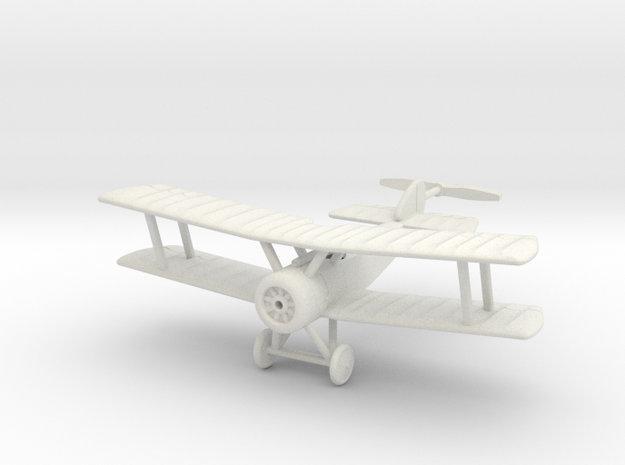
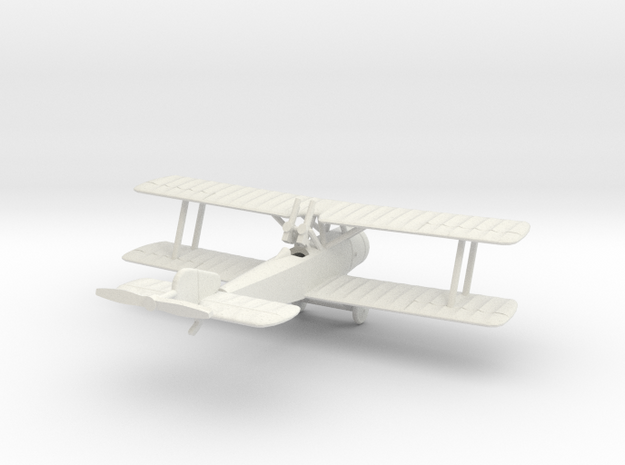
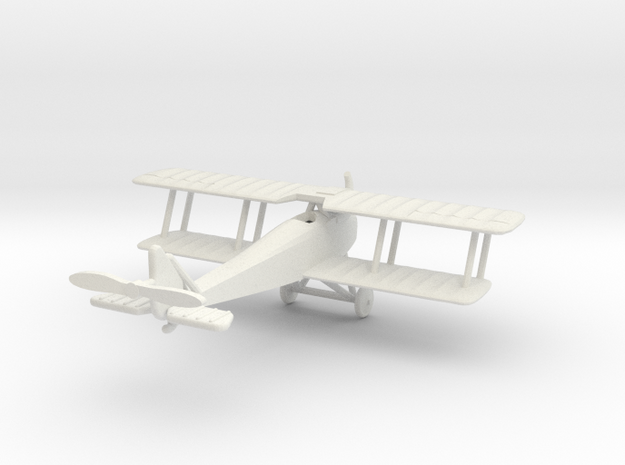
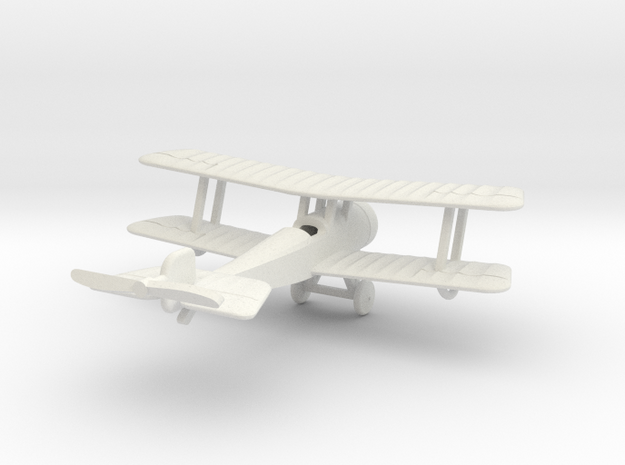
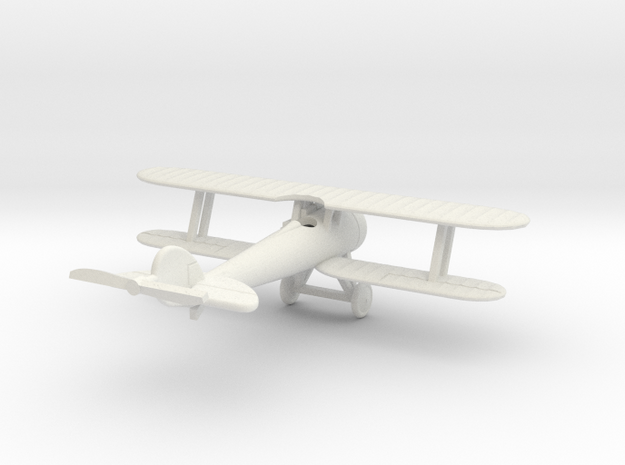
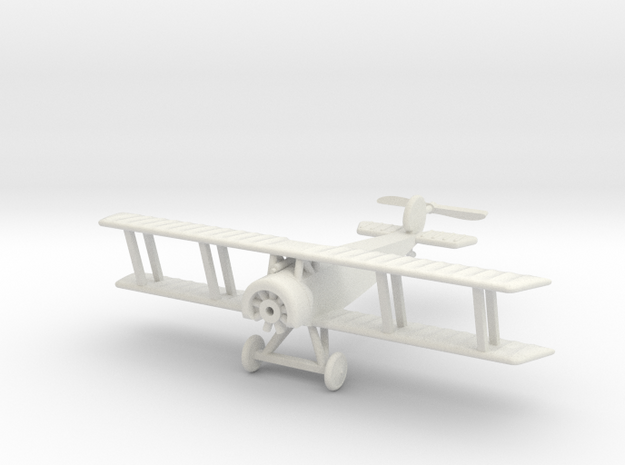
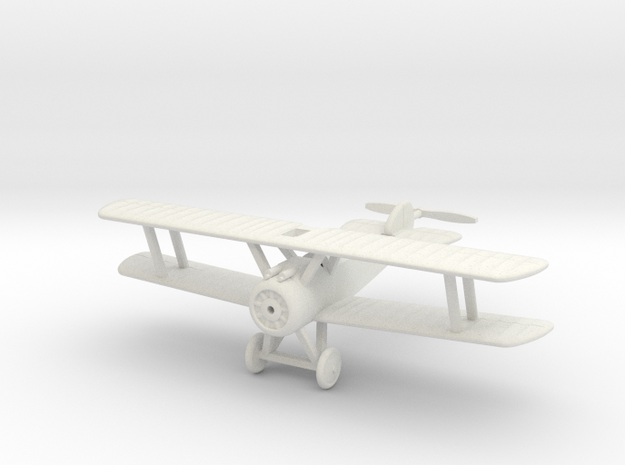
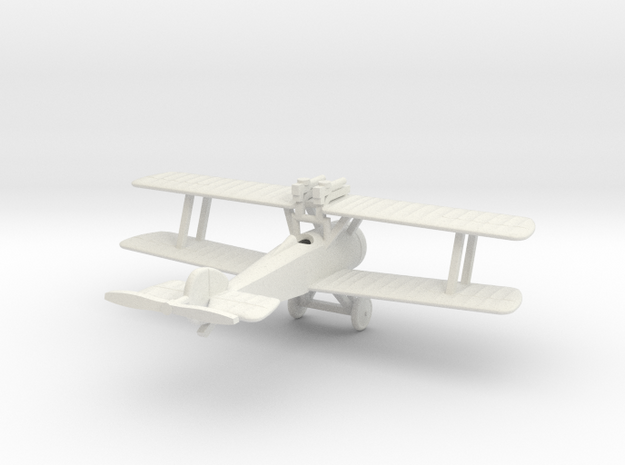
The Sopwith Snapper was a prototype British Fighter aircraft of the First World War. A single-engined biplane designed by the Sopwith Aviation Company to replace the Sopwith Snipe fighter, it first flew after the end of the war, but did not enter service owing to the failure of its engine, only three aircraft being built. The Snapper was a small single-bay biplane with heavily staggered wings. It was originally intended to have a wooden monocoque fuselage (as did the Sopwith Snail lightweight fighter and the Snark), but this was abandoned to ease production, with a more conventional wire-braced fabric covered fuselage substituted.[2] The cockpit was positioned aft of the wings, providing good visibility to the pilot, while two forward firing synchronised Vickers machine guns were mounted on the fuselage top decking.
 
(0)  
  •  
From: $7.56
 
by kampfflieger
The Pfalz D.XII was a German fighter aircraft built by Pfalz Flugzeugwerke. Designed by Rudolph Gehringer as a successor to the Pfalz D.III, the D.XII entered service in significant numbers near the end of the First World War. It was the last Pfalz aircraft to see widespread service. Though the D.XII was an effective fighter aircraft, it was overshadowed by the highly successful Fokker D.VII.
 
(0)  
  •  
From: $6.88
 
by kampfflieger
The Pfalz D.XII was a German fighter aircraft built by Pfalz Flugzeugwerke. Designed by Rudolph Gehringer as a successor to the Pfalz D.III, the D.XII entered service in significant numbers near the end of the First World War. It was the last Pfalz aircraft to see widespread service. Though the D.XII was an effective fighter aircraft, it was overshadowed by the highly successful Fokker D.VII.
 
(0)  
  •  
From: $8.26
 
by kampfflieger
In July 1941 the US Army Ordnance Corps issued specifications for a heavy armored car (along with another specification for a medium armored car, which resulted in the T17 Armored Car) to be built for supply to the British. The prototype was developed in 1942 by the Yellow Coach Company. It was large 8x8 (eight wheels, all driven; called an "eight-by-eight") vehicle with four front wheels used for steering. Thick armor brought the weight to 26 tons, about the weight of contemporary medium tanks. Initial armament consisted of a 37 mm gun M6 in a turret with a coaxial .30 inch machine gun and another .30 inch MG in the bow mount. By then it was clear that the anti-tank performance of the 37 mm gun was insufficient and the production version, the T18E2, which was named Boarhound by the British received the 57 mm gun M1, the US-manufactured variant of the British QF 6 pounder. The United States Army had never shown interest in the vehicle. The British Army placed an order for 2,500 units, but high production costs and poor cross-country performance led to cancellation of the order after only 30 were delivered.
 
(0)  
  •  
From: $19.18
 
by kampfflieger
The North American F-86 Sabre (sometimes called the Sabrejet) was a transonic jet fighter aircraft. Produced by North American Aviation, the Sabre is best known as America's first swept wing fighter which could counter the similarly winged Soviet MiG-15 in high-speed dogfights over the skies of the Korean War. Considered one of the best and most important fighter aircraft in the Korean War, the F-86 is also rated highly in comparison with fighters of other eras.[3] Although it was developed in the late 1940s and was outdated by the end of the 1950s, the Sabre proved versatile and adaptable, and continued as a front-line fighter in numerous air forces until the last active operational examples were retired by the Bolivian Air Force in 1994.
 
(0)  
  •  
From: $9.11
 
by kampfflieger
The Vought SB2U Vindicator was a carrier-based dive bomber developed for the United States Navy in the 1930s, the first monoplane in this role. Obsolescent at the outbreak of World War II, Vindicators still remained in service at the time of the Battle of Midway, but by 1943, all had been withdrawn to training units. It was known as the Chesapeake in Royal Navy service.
 
(0)  
  •  
From: $10.03
 
by kampfflieger
The Messerschmitt Me 262 Schwalbe was the world's first operational jet-powered fighter aircraft. Design work started before World War II began but engine problems prevented the aircraft from attaining operational status with the Luftwaffe until mid-1944. Compared with Allied fighters of its day, including the British jet-powered Gloster Meteor, it was much faster and better armed. One of the most advanced aviation designs in operational use during World War II, the Me 262 was used in a variety of roles, including light bomber, reconnaissance and even experimental night fighter versions. Me 262 B "Schwalbe" is two-seat production version.
 
(0)  
  •  
From: $9.83
 
by kampfflieger
The Messerschmitt Me 262 Schwalbe was the world's first operational jet-powered fighter aircraft. Design work started before World War II began but engine problems prevented the aircraft from attaining operational status with the Luftwaffe until mid-1944. Compared with Allied fighters of its day, including the British jet-powered Gloster Meteor, it was much faster and better armed. One of the most advanced aviation designs in operational use during World War II, the Me 262 was used in a variety of roles, including light bomber, reconnaissance and even experimental night fighter versions. Me 262 A-1a "Schwalbe" is primary production version, usable as both fighter and fighter/bomber.
 
(0)  
  •  
From: $15.38
 
by kampfflieger
The Messerschmitt Me 262 Schwalbe was the world's first operational jet-powered fighter aircraft. Design work started before World War II began but engine problems prevented the aircraft from attaining operational status with the Luftwaffe until mid-1944. Compared with Allied fighters of its day, including the British jet-powered Gloster Meteor, it was much faster and better armed. One of the most advanced aviation designs in operational use during World War II, the Me 262 was used in a variety of roles, including light bomber, reconnaissance and even experimental night fighter versions. Me 262 A-1a "Sturmvogel" is single-seat bomber version.
 
(0)  
  •  
From: $9.91
 
by kampfflieger
The Messerschmitt Me 262 Schwalbe was the world's first operational jet-powered fighter aircraft. Design work started before World War II began but engine problems prevented the aircraft from attaining operational status with the Luftwaffe until mid-1944. Compared with Allied fighters of its day, including the British jet-powered Gloster Meteor, it was much faster and better armed. One of the most advanced aviation designs in operational use during World War II, the Me 262 was used in a variety of roles, including light bomber, reconnaissance and even experimental night fighter versions. Me 262 A-1a "Schwalbe" is primary production version, usable as both fighter and fighter/bomber.
 
(0)  
  •  
From: $6.03
 
by kampfflieger
The Messerschmitt Me 262 Schwalbe was the world's first operational jet-powered fighter aircraft. Design work started before World War II began but engine problems prevented the aircraft from attaining operational status with the Luftwaffe until mid-1944. Compared with Allied fighters of its day, including the British jet-powered Gloster Meteor, it was much faster and better armed. One of the most advanced aviation designs in operational use during World War II, the Me 262 was used in a variety of roles, including light bomber, reconnaissance and even experimental night fighter versions. Me 262 B "Schwalbe" is two-seat production version.
 
(0)  
  •  
From: $15.60
 
by kampfflieger
The Messerschmitt Me 262 Schwalbe was the world's first operational jet-powered fighter aircraft. Design work started before World War II began but engine problems prevented the aircraft from attaining operational status with the Luftwaffe until mid-1944. Compared with Allied fighters of its day, including the British jet-powered Gloster Meteor, it was much faster and better armed. One of the most advanced aviation designs in operational use during World War II, the Me 262 was used in a variety of roles, including light bomber, reconnaissance and even experimental night fighter versions. Me 262 A-1a "Schwalbe" is primary production version, usable as both fighter and fighter/bomber.
 
(0)  
  •  
From: $26.69
 
by kampfflieger
The Messerschmitt Me 262 Schwalbe was the world's first operational jet-powered fighter aircraft. Design work started before World War II began but engine problems prevented the aircraft from attaining operational status with the Luftwaffe until mid-1944. Compared with Allied fighters of its day, including the British jet-powered Gloster Meteor, it was much faster and better armed. One of the most advanced aviation designs in operational use during World War II, the Me 262 was used in a variety of roles, including light bomber, reconnaissance and even experimental night fighter versions. Me 262 B "Schwalbe" is two-seat production version.
 
(0)  
  •  
From: $27.14
 
by kampfflieger
The Fokker D.XXI fighter was designed in 1935 for use by the Royal Netherlands East Indies Army Air Force. As such, it was designed as a cheap and small, but rugged aircraft, which had respectable performance for its time. Entering operational use in the early years of World War II, it provided yeoman service for both the Luchtvaartafdeling (Dutch Army Aviation Group) and the Finnish Air Force, and a few were built by the Carmoli factory before the factory fell into Nationalist hands during the Spanish Civil War.
 
(0)  
  •  
From: $17.88
 
by kampfflieger
The Messerschmitt Me 262 Schwalbe was the world's first operational jet-powered fighter aircraft. Design work started before World War II began but engine problems prevented the aircraft from attaining operational status with the Luftwaffe until mid-1944. Compared with Allied fighters of its day, including the British jet-powered Gloster Meteor, it was much faster and better armed. One of the most advanced aviation designs in operational use during World War II, the Me 262 was used in a variety of roles, including light bomber, reconnaissance and even experimental night fighter versions. Me 262 A-1a "Sturmvogel" is two-seat bomber version with a glazed nose for accommodating a bombardier.
 
(0)  
  •  
From: $10.06
 
by kampfflieger
The Messerschmitt Me 262 Schwalbe was the world's first operational jet-powered fighter aircraft. Design work started before World War II began but engine problems prevented the aircraft from attaining operational status with the Luftwaffe until mid-1944. Compared with Allied fighters of its day, including the British jet-powered Gloster Meteor, it was much faster and better armed. One of the most advanced aviation designs in operational use during World War II, the Me 262 was used in a variety of roles, including light bomber, reconnaissance and even experimental night fighter versions. Me 262 A-1a "Sturmvogel" is two-seat bomber version with a glazed nose for accommodating a bombardier.
 
(0)  
  •  
From: $16.06
 
by kampfflieger
The Messerschmitt Me 262 Schwalbe was the world's first operational jet-powered fighter aircraft. Design work started before World War II began but engine problems prevented the aircraft from attaining operational status with the Luftwaffe until mid-1944. Compared with Allied fighters of its day, including the British jet-powered Gloster Meteor, it was much faster and better armed. One of the most advanced aviation designs in operational use during World War II, the Me 262 was used in a variety of roles, including light bomber, reconnaissance and even experimental night fighter versions. Me 262 A-1a "Sturmvogel" is single-seat bomber version.
 
(0)  
  •  
From: $15.75
 
by kampfflieger
The Messerschmitt Me 262 Schwalbe was the world's first operational jet-powered fighter aircraft. Design work started before World War II began but engine problems prevented the aircraft from attaining operational status with the Luftwaffe until mid-1944. Compared with Allied fighters of its day, including the British jet-powered Gloster Meteor, it was much faster and better armed. One of the most advanced aviation designs in operational use during World War II, the Me 262 was used in a variety of roles, including light bomber, reconnaissance and even experimental night fighter versions. Me 262 A-1a "Sturmvogel" is two-seat bomber version with a glazed nose for accommodating a bombardier.
 
(0)  
  •  
From: $28.07
 
by kampfflieger
The Messerschmitt Me 262 Schwalbe was the world's first operational jet-powered fighter aircraft. Design work started before World War II began but engine problems prevented the aircraft from attaining operational status with the Luftwaffe until mid-1944. Compared with Allied fighters of its day, including the British jet-powered Gloster Meteor, it was much faster and better armed. One of the most advanced aviation designs in operational use during World War II, the Me 262 was used in a variety of roles, including light bomber, reconnaissance and even experimental night fighter versions. Me 262 A-1a "Sturmvogel" is single-seat bomber version.
 
(0)  
  •  
From: $27.44
 
by kampfflieger
The Bristol Type 156 Beaufighter, often referred to as simply the Beau, was a British long-range heavy fighter derivative of the Bristol Aeroplane Company's earlier Beaufort torpedo bomber design. The name Beaufighter is a portmanteau of "Beaufort" and "fighter". Unlike the Beaufort, the Beaufighter had a long career and served in almost all theatres of war in the Second World War, first as a night fighter, then as a fighter bomber and eventually replacing the Beaufort as a torpedo bomber. A variant was built in Australia by the Department of Aircraft Production (DAP) and was known in Australia as the DAP Beaufighter.
 
(0)  
  •  
From: $6.24
 
by kampfflieger
The Bristol Type 156 Beaufighter, often referred to as simply the Beau, was a British long-range heavy fighter derivative of the Bristol Aeroplane Company's earlier Beaufort torpedo bomber design. The name Beaufighter is a portmanteau of "Beaufort" and "fighter". Unlike the Beaufort, the Beaufighter had a long career and served in almost all theatres of war in the Second World War, first as a night fighter, then as a fighter bomber and eventually replacing the Beaufort as a torpedo bomber. A variant was built in Australia by the Department of Aircraft Production (DAP) and was known in Australia as the DAP Beaufighter.
 
(0)  
  •  
From: $8.38
 
by kampfflieger
The Bristol Type 156 Beaufighter, often referred to as simply the Beau, was a British long-range heavy fighter derivative of the Bristol Aeroplane Company's earlier Beaufort torpedo bomber design. The name Beaufighter is a portmanteau of "Beaufort" and "fighter". Unlike the Beaufort, the Beaufighter had a long career and served in almost all theatres of war in the Second World War, first as a night fighter, then as a fighter bomber and eventually replacing the Beaufort as a torpedo bomber. A variant was built in Australia by the Department of Aircraft Production (DAP) and was known in Australia as the DAP Beaufighter.
 
(0)  
  •  
From: $12.67
 
by kampfflieger
The Vought SB2U Vindicator was a carrier-based dive bomber developed for the United States Navy in the 1930s, the first monoplane in this role. Obsolescent at the outbreak of World War II, Vindicators still remained in service at the time of the Battle of Midway, but by 1943, all had been withdrawn to training units. It was known as the Chesapeake in Royal Navy service.
 
(0)  
  •  
From: $12.76
 
by kampfflieger
The Vought SB2U Vindicator was a carrier-based dive bomber developed for the United States Navy in the 1930s, the first monoplane in this role. Obsolescent at the outbreak of World War II, Vindicators still remained in service at the time of the Battle of Midway, but by 1943, all had been withdrawn to training units. It was known as the Chesapeake in Royal Navy service.
 
(0)  
  •  
From: $29.95
 
Shop Details
der Kampfflieger scale models

Expertise

  • 3D modeler
  • Designer
  • Product designer