Geometrix

Designs by friz
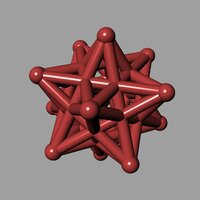
I'm interested in solid geometry (polyhedra, 4-dimensional polytopes) and algebraic varieties (curves, surfaces) and I like to create models of these complex objects. Feel free to ask me also customized designs, for example a polyhedron with given dimensions and features. A polyhedron can be realized in different ways, like ball-and-stick style, solid faces, Leonardo-style, curved edges, and so on. Any one of these objects can be also equipped with a ring and transformed into a pendant or a keyholder. Numbers or labels added to any (suitable) polyhedron turn it into a die.

IMPORTANT: Sort the items by "newest" to see the latest things!

Nearly all models are available also in the new colors. Ask in case.

friz is selling 28 products in Archimedean polyhedra section

by friz
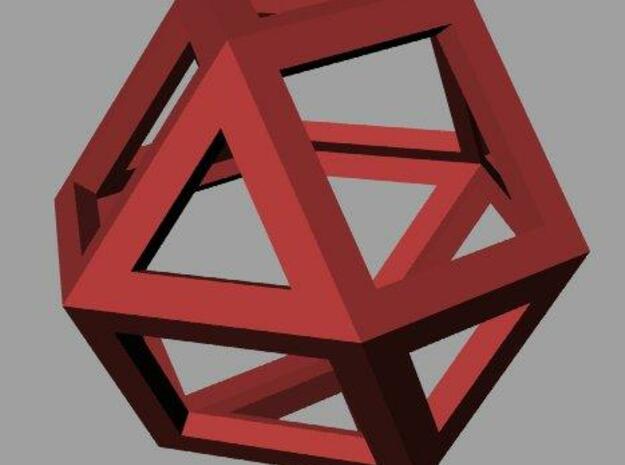
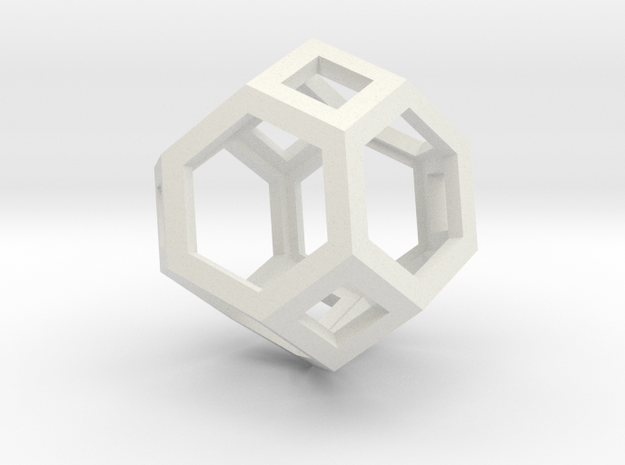
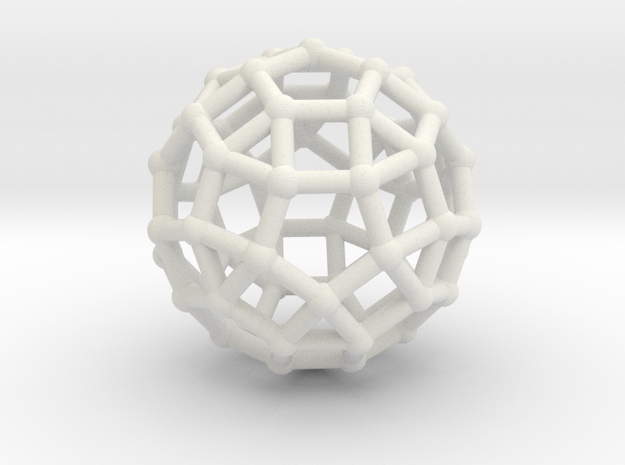
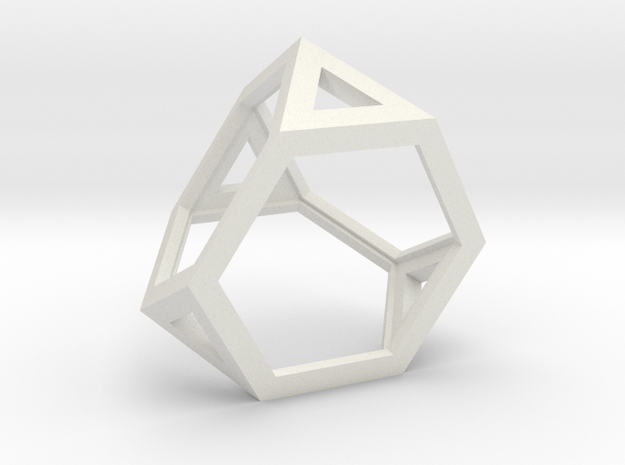
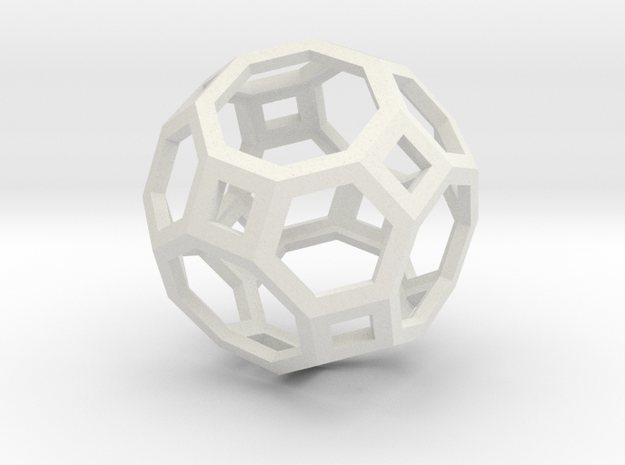
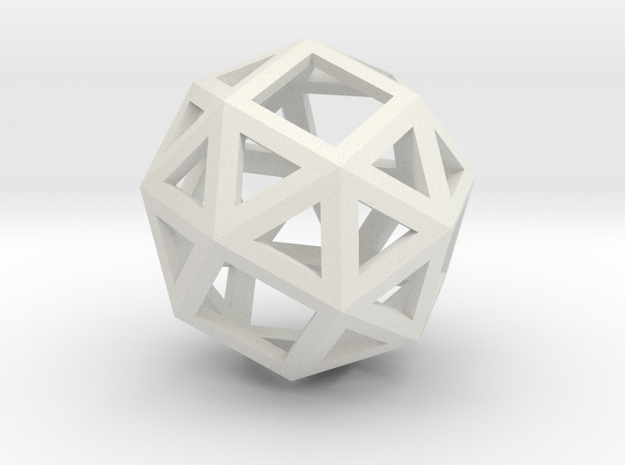
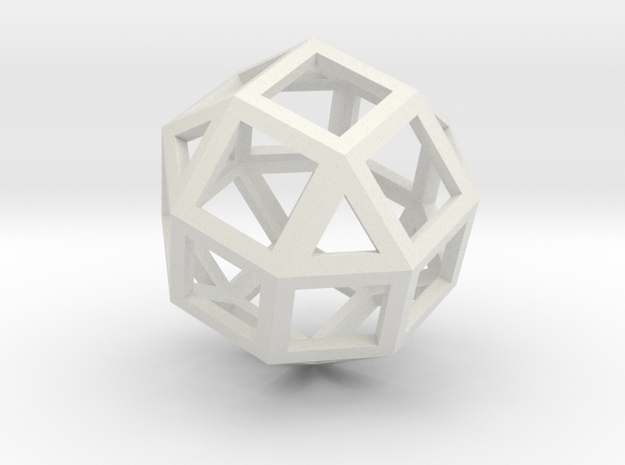
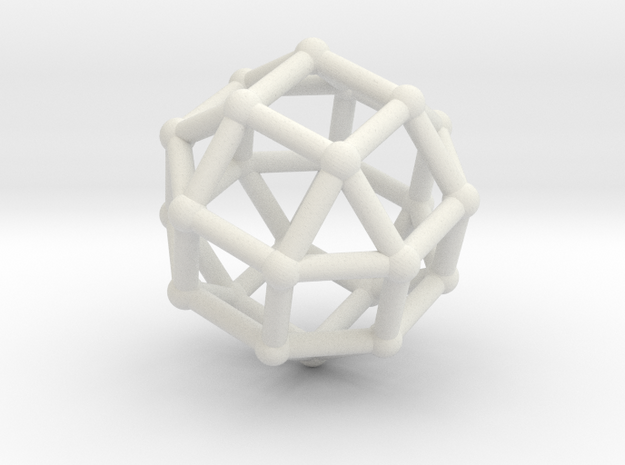
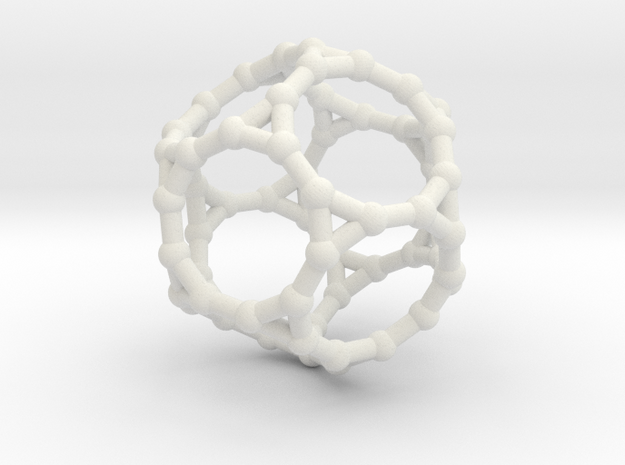
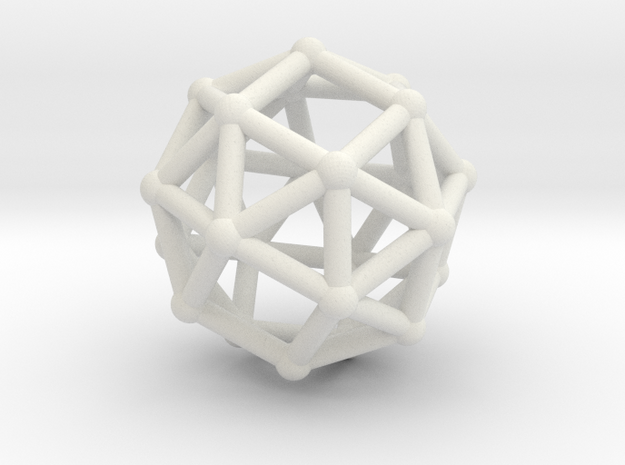
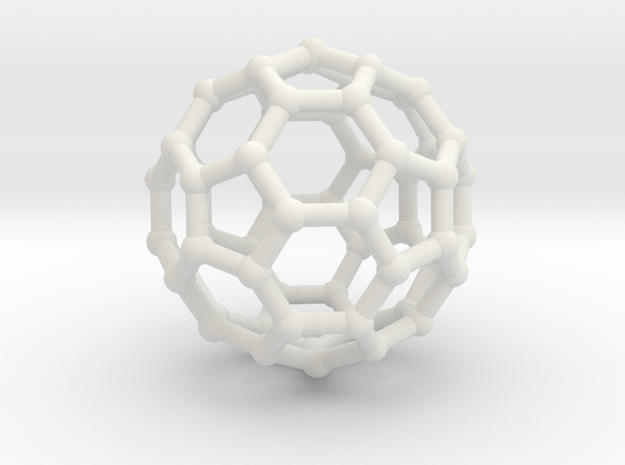
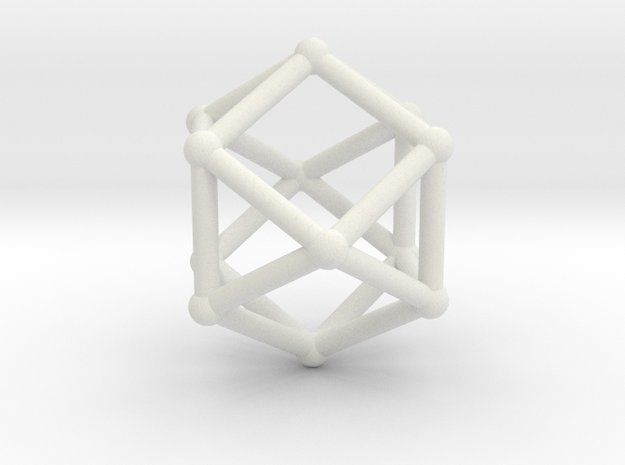
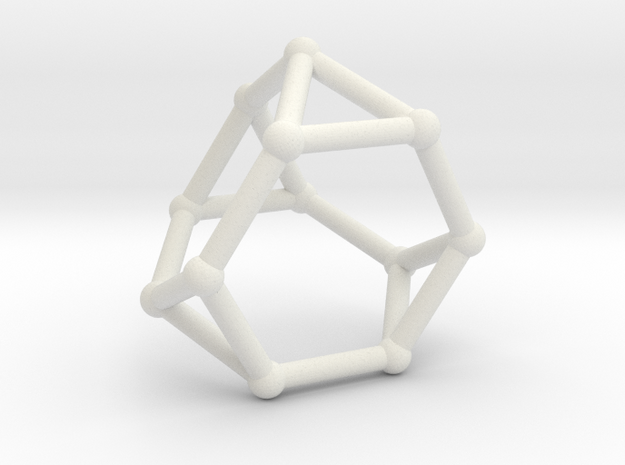
A Leonardo-style Archimedean polyhedron
 
(0)  
  •  
From: $5.24
 
by friz
A Leonardo-style Archimedean polyhedron
 
(0)  
  •  
From: $6.45
 
by friz
A Leonardo-style Archimedean polyhedron
 
(0)  
  •  
From: $6.05
 
by friz
A Leonardo-style Archimedean polyhedron
 
(0)  
  •  
From: $6.54
 
by friz
A Leonardo-style Archimedean polyhedron
 
(0)  
  •  
From: $6.68
 
by friz
An archimedean polyhedron.

N. 13 of the complete set counting 13 items.

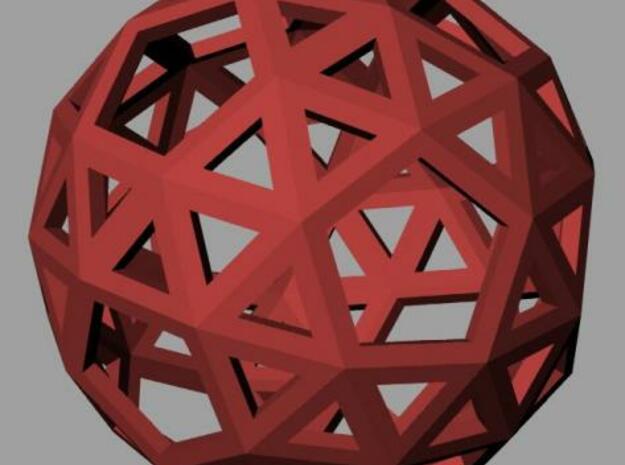
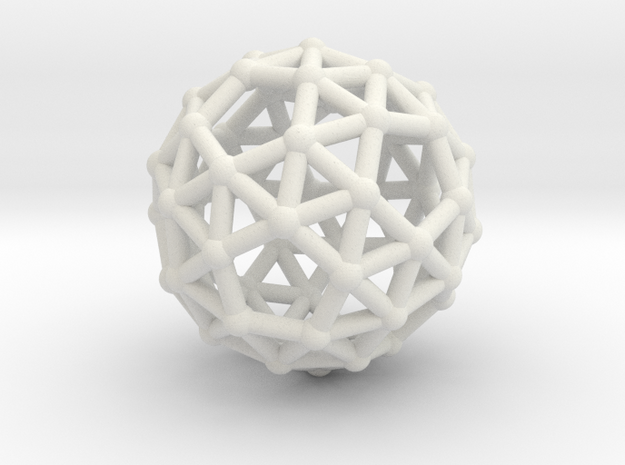
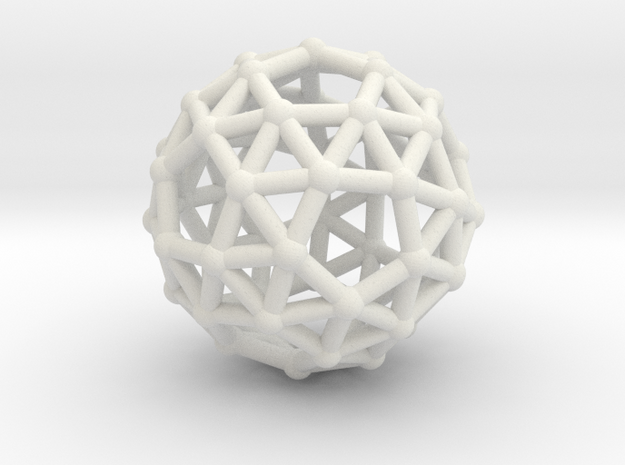
The snub decahedron has 92 faces (80 triangles,
12 pentagons), 150 edges and 60 vertices. This is one of the two chiral forms of this polyhedron.

The Archimedean solids are bounded by two or more kinds of regular polygons, meeting at each vertex in the same identical way.

They were discovered by Archimedes in a now-lost work. In 1620 Johannes Kepler described them all and gave them the names still in use.
 
(3)  
  •  
From: $8.48
 
by friz
An archimedean polyhedron.

N. 8 of the complete set counting 13 items.

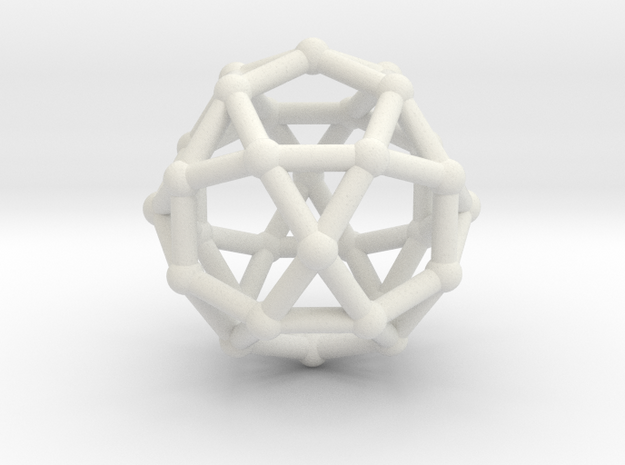
The icosidodecahedron has 32 faces (20 triangles,
12 pentagons), 60 edges and 30 vertices.

The Archimedean solids are bounded by two or more kinds of regular polygons, meeting at each vertex in the same identical way.

They were discovered by Archimedes in a now-lost work. In 1620 Johannes Kepler described them all and gave them the names still in use.
 
(2)  
  •  
From: $6.42
 
by friz
A Leonardo-style Archimedean polyhedron
 
(0)  
  •  
From: $6.43
 
by friz
An archimedean polyhedron.

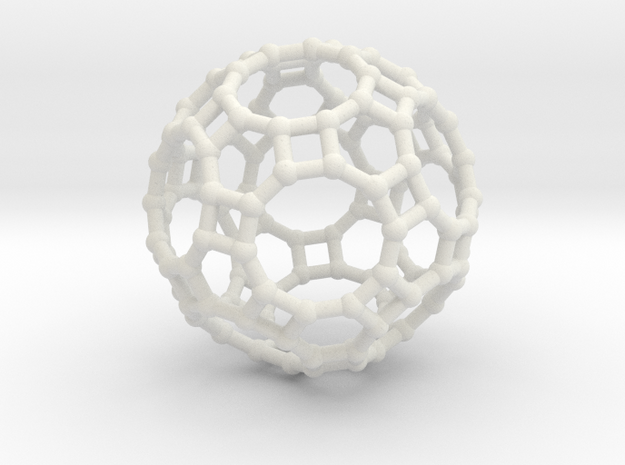
N. 12 of the complete set counting 13 items.

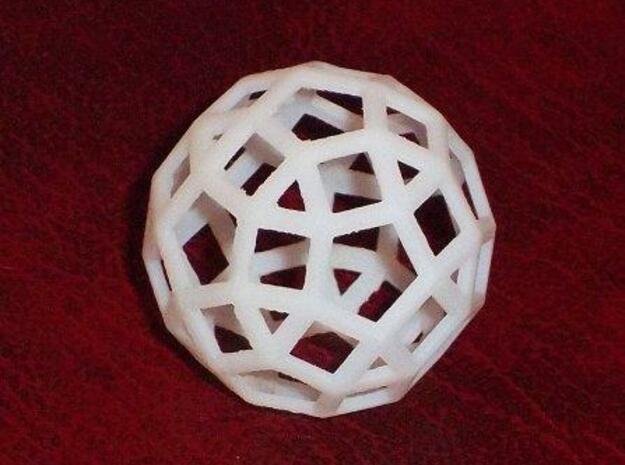
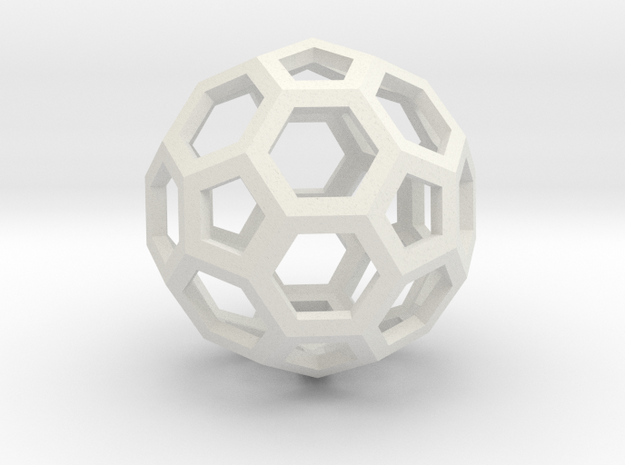
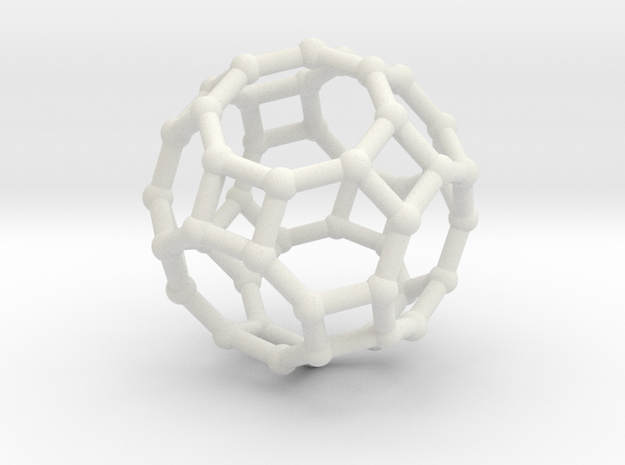
The truncated icosidodecahedron has 62 faces (30 squares,
20 hexagons,
12 decagons), 180 edges and 120 vertices.

The Archimedean solids are bounded by two or more kinds of regular polygons, meeting at each vertex in the same identical way.

They were discovered by Archimedes in a now-lost work. In 1620 Johannes Kepler described them all and gave them the names still in use.
 
(2)  
  •  
From: $8.92
 
by friz
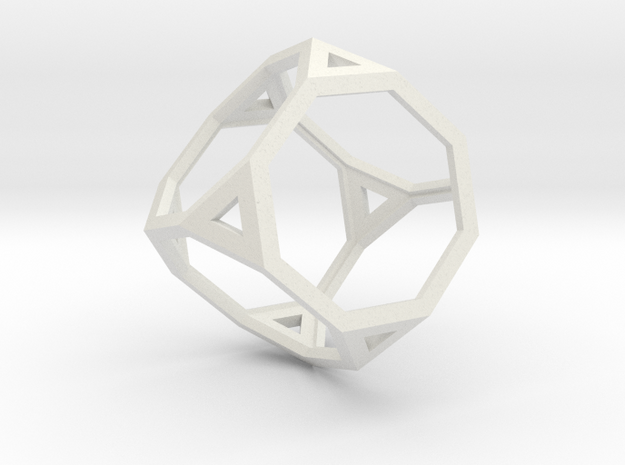
An archimedean polyhedron.

N.4 of the complete set counting 13 items.

The truncated cube has 14 faces (8 triangles,
6 octagons), 36 edges and 24 vertices.

The Archimedean solids are bounded by two or more kinds of regular polygons, meeting at each vertex in the same identical way.

They were discovered by Archimedes in a now-lost work. In 1620 Johannes Kepler described them all and gave them the names still in use.
 
(3)  
  •  
From: $5.66
 
by friz
A Leonardo-style Archimedean polyhedron
 
(0)  
  •  
From: $5.38
 
by friz
A Leonardo-style Archimedean polyhedron
 
(0)  
  •  
From: $6.45
 
by friz
An Archimedean polyhedron.

N. 11 of the complete set counting 13 items.

The rhombicosidodecahedron has 62 faces (20 triangles,
30 squares,
12 pentagons), 120 edges and 60 vertices.

The Archimedean solids are bounded by two or more kinds of regular polygons, meeting at each vertex in the same identical way.

They were discovered by Archimedes in a now-lost work. In 1620 Johannes Kepler described them all and gave them the names still in use.
 
(2)  
  •  
From: $7.82
 
by friz
A Leonardo-style Archimedean polyhedron
 
(0)  
  •  
From: $5.45
 
by friz
A Leonardo-style Archimedean polyhedron
 
(0)  
  •  
From: $6.25
 
by friz
A Leonardo-style Archimedean polyhedron
 
(0)  
  •  
From: $7.02
 
by friz
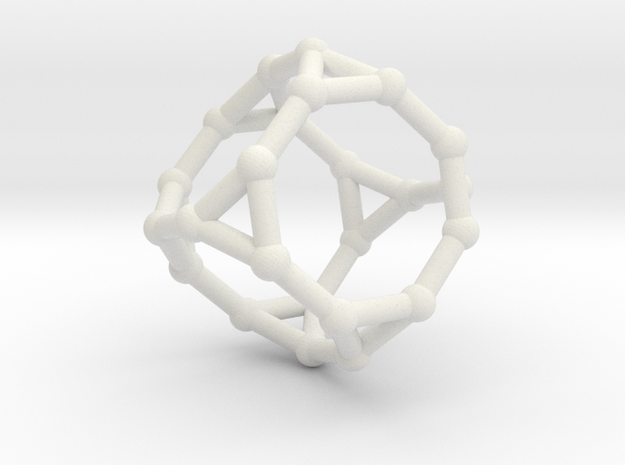
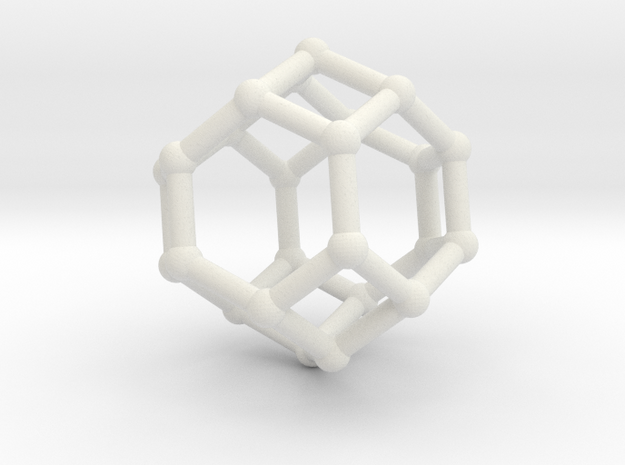
An archimedean polyhedron.

N.3 of the complete set counting 13 items.

The rhombicosidodecahedron has 14 faces (6 squares,
8 hexagons), 36 edges and 24 vertices.

The Archimedean solids are bounded by two or more kinds of regular polygons, meeting at each vertex in the same identical way.

They were discovered by Archimedes in a now-lost work. In 1620 Johannes Kepler described them all and gave them the names still in use.
 
(3)  
  •  
From: $5.80
 
by friz
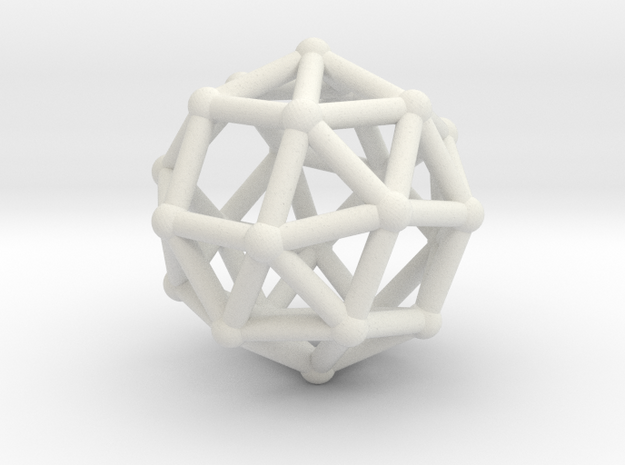
An archimedean polyhedron.

N. 7 of the complete set counting 13 items.

The snub cube has 38 faces (32 triangles,
6 squares), 60 edges and 24 vertices. This is one of the two chiral forms of this polyhedron.

The Archimedean solids are bounded by two or more kinds of regular polygons, meeting at each vertex in the same identical way.

They were discovered by Archimedes in a now-lost work. In 1620 Johannes Kepler described them all and gave them the names still in use.
 
(3)  
  •  
From: $6.71
 
by friz
A Leonardo-style Archimedean polyhedron
 
(1)  
  •  
From: $6.43
 
by friz
An archimedean polyhedron.

N.5 of the complete set counting 13 items.

The rhombicuboctahedron has 26 faces (8 triangles,
18 squares), 48 edges and 24 vertices.

The Archimedean solids are bounded by two or more kinds of regular polygons, meeting at each vertex in the same identical way.

They were discovered by Archimedes in a now-lost work. In 1620 Johannes Kepler described them all and gave them the names still in use.
 
(3)  
  •  
From: $6.29
 
by friz
An archimedean polyhedron.

N. 10 of the complete set counting 13 items.

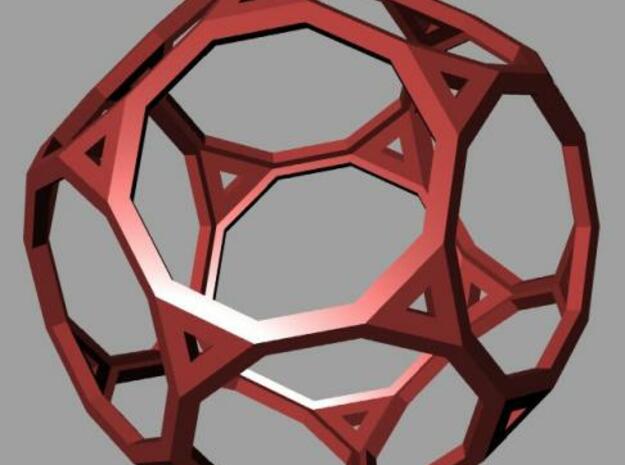
The truncated dodecahedron has 32 faces (20 triangles,
12 decagons), 90 edges and 60 vertices.

The Archimedean solids are bounded by two or more kinds of regular polygons, meeting at each vertex in the same identical way.

They were discovered by Archimedes in a now-lost work. In 1620 Johannes Kepler described them all and gave them the names still in use.
 
(2)  
  •  
From: $6.61
 
by friz
An archimedean polyhedron.

N. 7 of the complete set counting 13 items.

The snub cube has 38 faces (32 triangles,
6 squares), 60 edges and 24 vertices. This is one of the two chiral forms of this polyhedron.

The Archimedean solids are bounded by two or more kinds of regular polygons, meeting at each vertex in the same identical way.

They were discovered by Archimedes in a now-lost work. In 1620 Johannes Kepler described them all and gave them the names still in use.
 
(2)  
  •  
From: $6.71
 
by friz
An archimedean polyhedron.

N. 9 of the complete set counting 13 items.

The rhombicosidodecahedron has 32 faces (12 pentagons,
20 hexagons), 90 edges and 60 vertices.

The Archimedean solids are bounded by two or more kinds of regular polygons, meeting at each vertex in the same identical way.

They were discovered by Archimedes in a now-lost work. In 1620 Johannes Kepler described them all and gave them the names still in use.
 
(3)  
  •  
From: $7.02
 
by friz
An archimedean polyhedron.

N.2 of the complete set counting 13 items.

The cuboctahedron has 14 faces (8 triangles,
6 squares), 24 edges and 12 vertices.

The Archimedean solids are bounded by two or more kinds of regular polygons, meeting at each vertex in the same identical way.

They were discovered by Archimedes in a now-lost work. In 1620 Johannes Kepler described them all and gave them the names still in use.
 
(2)  
  •  
From: $5.77
 
by friz
An archimedean polyhedron.

N.1 of the complete set counting 13 items.

The truncated tetrahedron has 8 faces (4 triangles,
4 hexagons), 18 edges and 12 vertices.

The Archimedean solids are bounded by two or more kinds of regular polygons, meeting at each vertex in the same identical way.

They were discovered by Archimedes in a now-lost work. In 1620 Johannes Kepler described them all and gave them the names still in use.
 
(2)  
  •  
From: $5.41
 
by friz
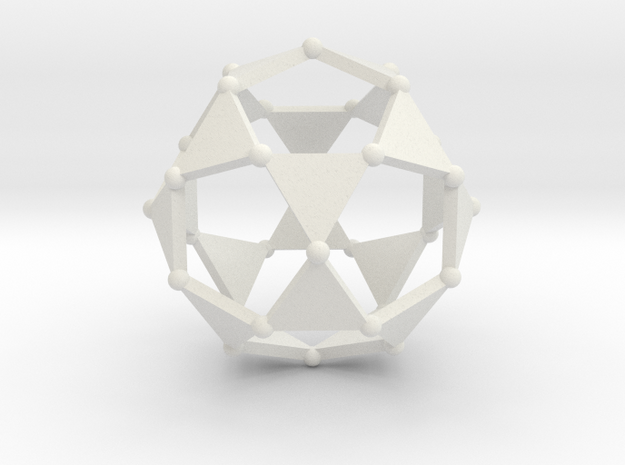
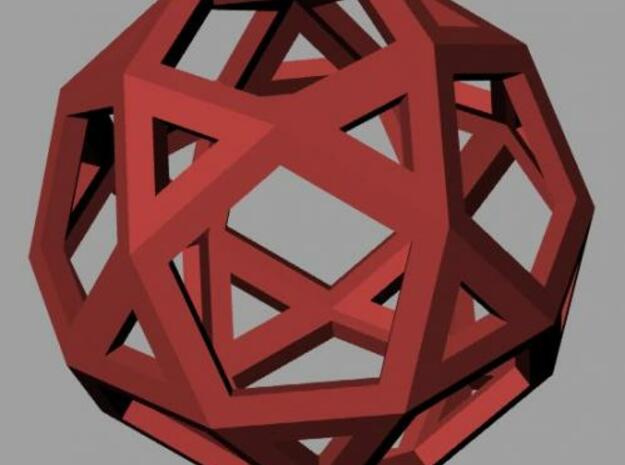
One of the 13 Archimedean polyhedra. Here the triangular faces are rendered as thin shells and the pentagonal ones are left hollow. This makes clear the fact that the icosidodecahedron is a semi-regular polyhedron, where any face is surrounded only by faces of another kind.
 
(1)  
  •  
From: $6.28
 
by friz
An archimedean polyhedron.

N. 13 of the complete set counting 13 items.

The snub decahedron has 92 faces (80 triangles,
12 pentagons), 150 edges and 60 vertices. This is one of the two chiral forms of this polyhedron.

The Archimedean solids are bounded by two or more kinds of regular polygons, meeting at each vertex in the same identical way.

They were discovered by Archimedes in a now-lost work. In 1620 Johannes Kepler described them all and gave them the names still in use.
 
(4)  
  •  
From: $8.48
 
by friz
An archimedean polyhedron.

N.6 of the complete set counting 13 items.

The truncated cuboctahedron has 26 faces (12 squares,
8 hexagon,
6 octagons), 72 edges and 48 vertices.

The Archimedean solids are bounded by two or more kinds of regular polygons, meeting at each vertex in the same identical way.

They were discovered by Archimedes in a now-lost work. In 1620 Johannes Kepler described them all and gave them the names still in use.
 
(2)  
  •  
From: $6.66
 
Shop Details
Attractive geometric shapes like polyhedra, surfaces or higher dimension objects. For educational or decorative purposes. By Friz.