MO-Labs

Designs by MOLabs
MO-Labs creates Mathematical Objects, see MO-Labs.com. Currently, some of our Math Objects are on display in the exhibition "Forms and Formulas" at the National Museum of Natural History and Science at Lisboa, Portugal. Until March 2013, it shows 45 of our Size-S cubic surfaces with lines and also six Size-XL surfaces (30cm tall) together with many new and historical models and even interactive pieces. See our MO-Labs Blog for some more details.

We found 20 products by MOLabs

by MOLabs
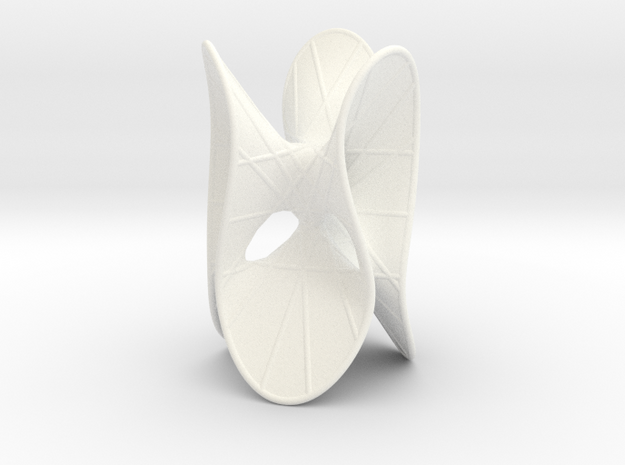
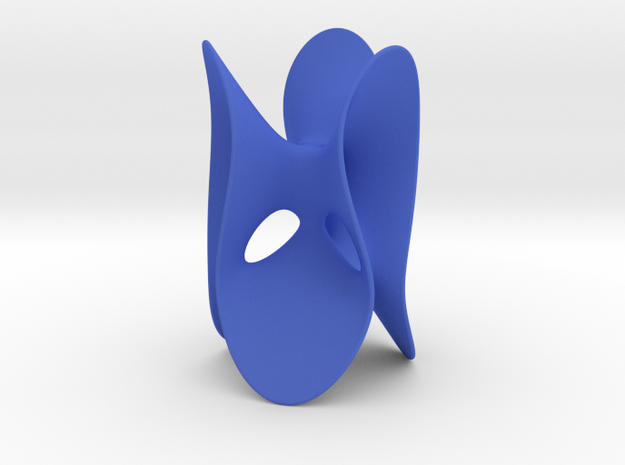
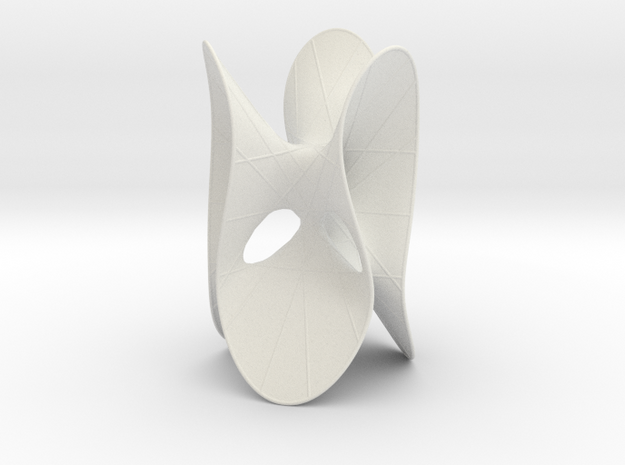
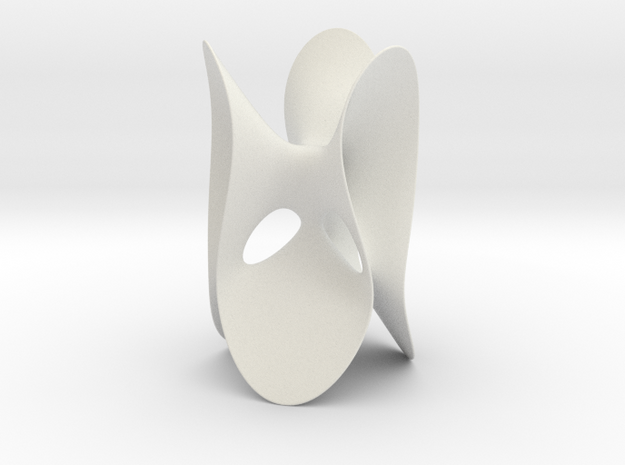
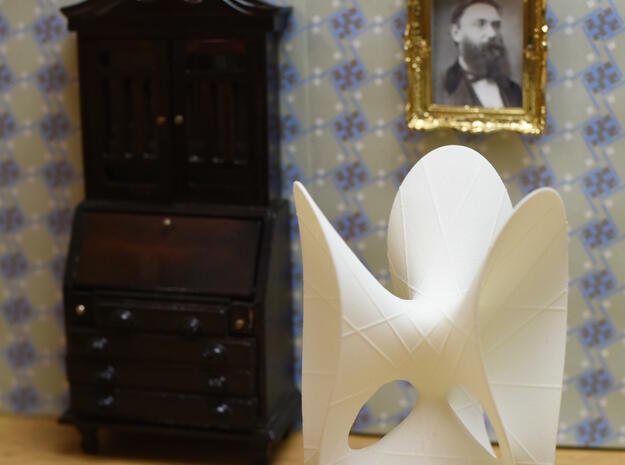
A more than 100 year-old classic for your own desk, in a modern, improved version!
In 1869, Christian Wiener constructed the first model of a cubic surface with 27 lines (in plaster, by hand!). This achievement opened the way for many similar objects in the following couple of years.
One of the most famous of these is certainly the one of the Clebsch Diagonal Surface which had been studied by Alfred Clebsch. Its model was probably planned by Alfred Clebsch and Felix Klein. Compared to the historical model, our version has the advantage that it only shows the surface itself and not a large body of plaster material as a support which is not part of the surface and which distracts from the pure geometry of the surface.
Part of the aesthetics of our objects comes from the fact that we chose to represent the surface in such a way that the ratio between the height and the width of our object is the so-called golden ratio.
For more info see MO-Labs.com.
 
(0)  
  •  
From: $7.40
 
by MOLabs
A more than 100 year-old classic for your own desk, in a modern, improved version!
In 1869, Christian Wiener constructed the first model of a cubic surface with 27 lines (in plaster, by hand!). This achievement opened the way for many similar objects in the following couple of years.
One of the most famous of these is certainly the one of the Clebsch Diagonal Surface which had been studied by Alfred Clebsch. Its model was probably planned by Alfred Clebsch and Felix Klein. Compared to the historical model, our version has the advantage that it only shows the surface itself and not a large body of plaster material as a support which is not part of the surface and which distracts from the pure geometry of the surface.
Part of the aesthetics of our objects comes from the fact that we chose to represent the surface in such a way that the ratio between the height and the width of our object is the so-called golden ratio.
For more info see MO-Labs.com.
 
(0)  
  •  
From: $6.76
 
by MOLabs
A more than 100 year-old classic for your own desk, in a modern, improved version!
In 1869, Christian Wiener constructed the first model of a cubic surface with 27 lines (in plaster, by hand!). This achievement opened the way for many similar objects in the following couple of years.
One of the most famous of these is certainly the one of the Clebsch Diagonal Surface which had been studied by Alfred Clebsch. Its model was probably planned by Alfred Clebsch and Felix Klein. Compared to the historical model, our version has the advantage that it only shows the surface itself and not a large body of plaster material as a support which is not part of the surface and which distracts from the pure geometry of the surface.
Part of the aesthetics of our objects comes from the fact that we chose to represent the surface in such a way that the ratio between the height and the width of our object is the so-called golden ratio.
For more info see MO-Labs.com.
 
(0)  
  •  
From: $15.37
 
by MOLabs
A more than 100 year-old classic for your own desk, in a modern, improved version!
In 1869, Christian Wiener constructed the first model of a cubic surface with 27 lines (in plaster, by hand!). This achievement opened the way for many similar objects in the following couple of years.
One of the most famous of these is certainly the one of the Clebsch Diagonal Surface which had been studied by Alfred Clebsch. Its model was probably planned by Alfred Clebsch and Felix Klein. Compared to the historical model, our version has the advantage that it only shows the surface itself and not a large body of plaster material as a support which is not part of the surface and which distracts from the pure geometry of the surface.
Part of the aesthetics of our objects comes from the fact that we chose to represent the surface in such a way that the ratio between the height and the width of our object is the so-called golden ratio.
For more info see MO-Labs.com.
 
(0)  
  •  
From: $14.38
 
by MOLabs
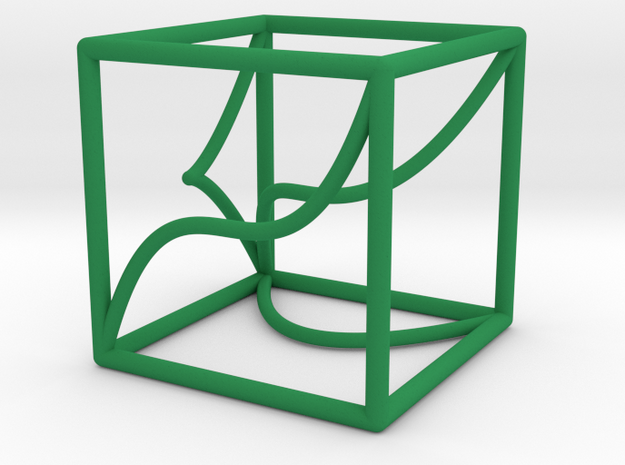
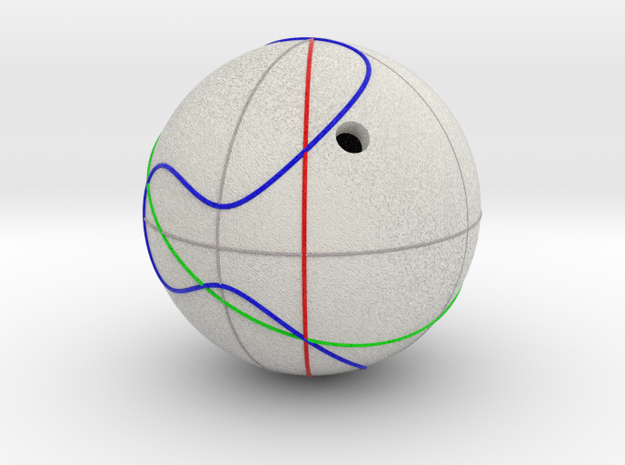
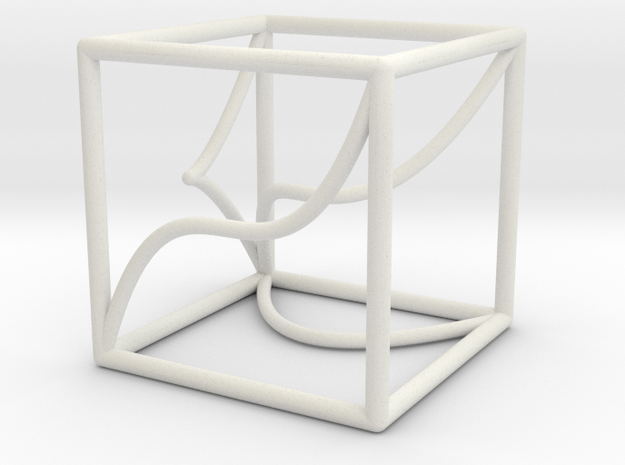
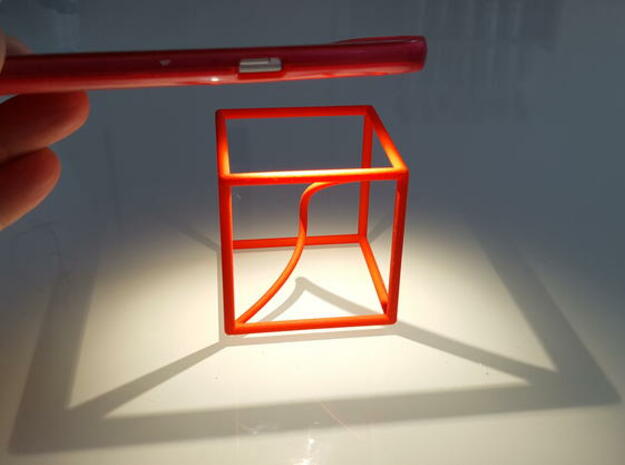
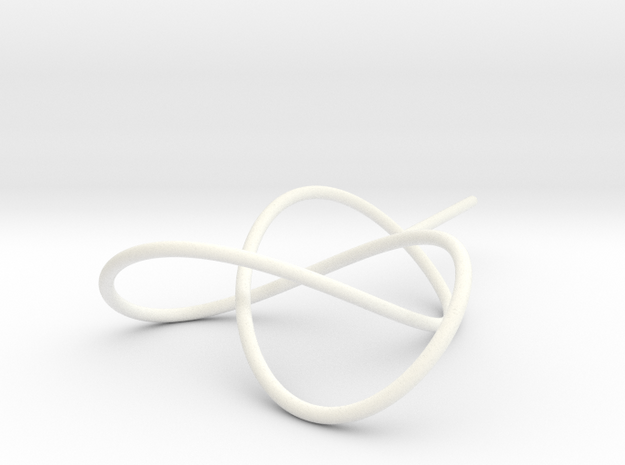
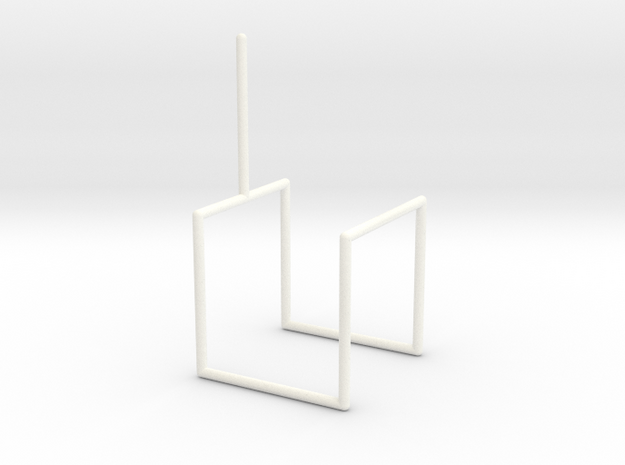
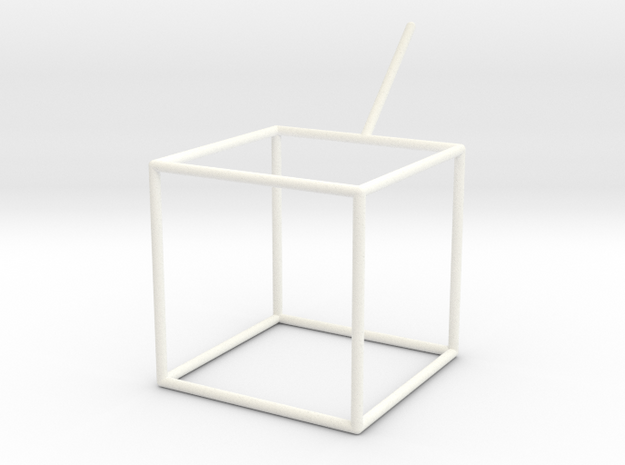
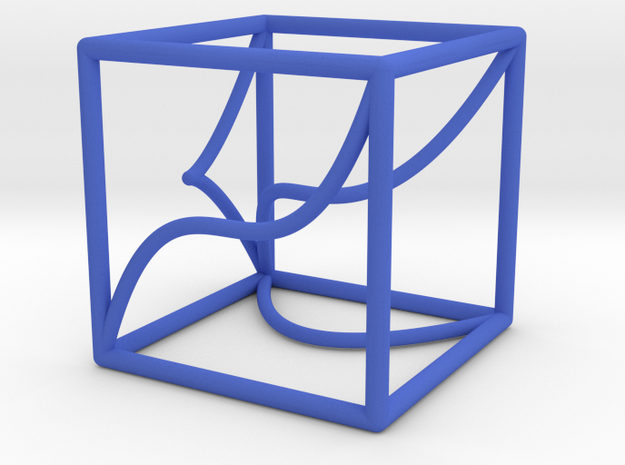
Look at the smooth space curve in the interior of the cube from three sides... and you will see three very different plane curves: a parabola, a cubic curve, and a nodal curve! The object shows the space curve together with three projections held together by the edges of a cube. See also MO-Labs.com.
 
(0)  
  •  
From: $24.27
 
by MOLabs
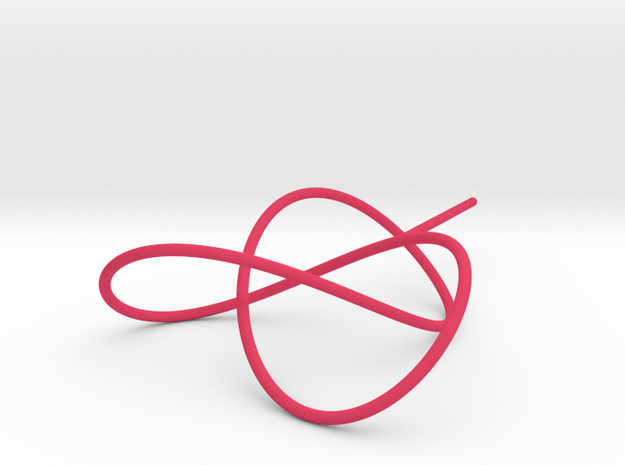
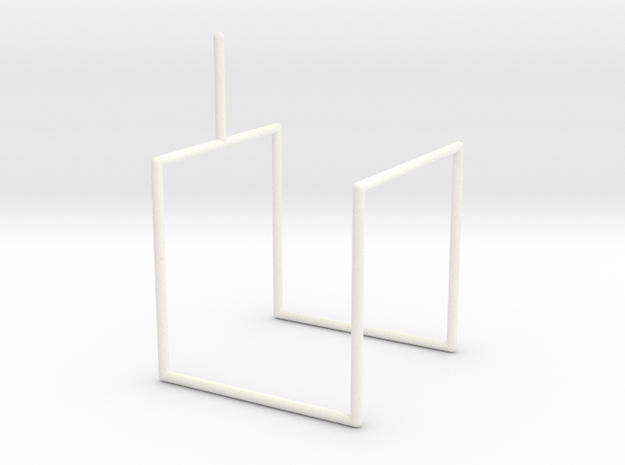
Look at the smooth space curve in the interior of the cube from three sides... and you will see three very different plane curves: a parabola, a cubic curve, and a cuspidal curve! The object shows the space curve together with three projections held together by the edges of a cube. See also MO-Labs.com.
 
(0)  
  •  
From: $22.19
 
by MOLabs
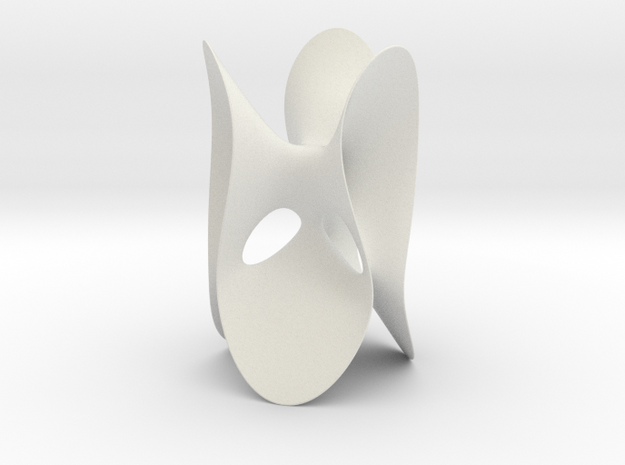
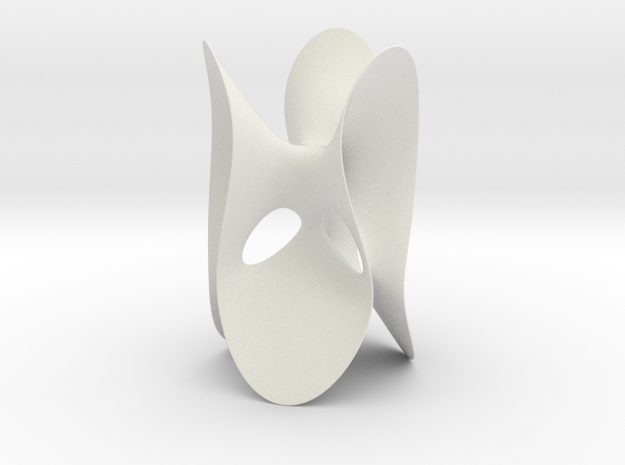
The Kummer Quartic is one of the most classical mathematical shapes; it was studied by E.E. Kummer around 1870. This smoothed version is highly symmetric; actually, it has the symmetry of one of the Platonic Solids, namely the regular tetrahedron. In modern mathematical classification terms, this surface is called a smooth K3 surface of degree 4. More info on MO-Labs.com.
 
(0)  
  •  
From: $18.86
 
by MOLabs
A modern classic for your desk, in a smoothed variant!
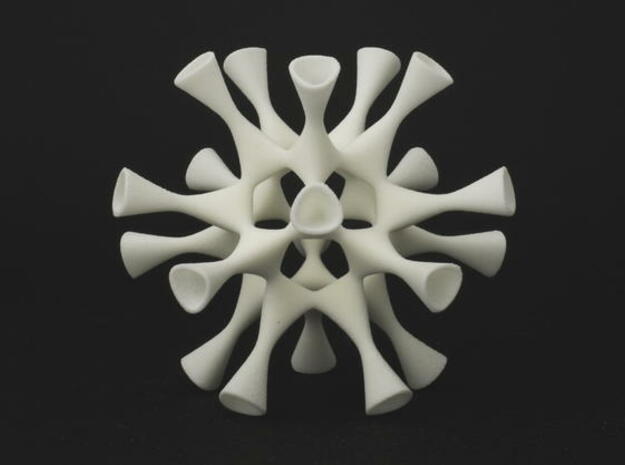
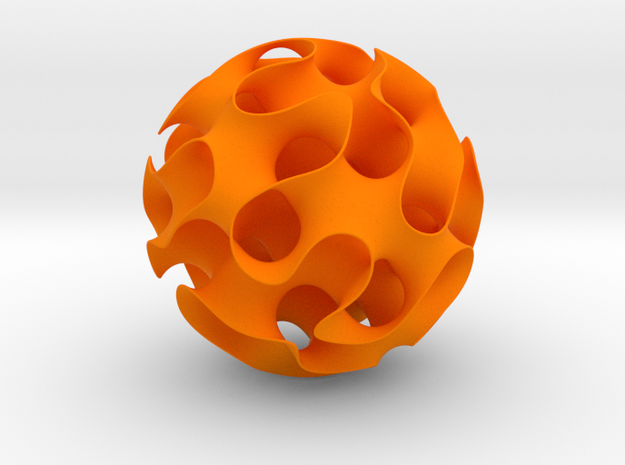
The Barth Sextic is the most famous example of the sometimes so-called world record surfaces. W. Barth constructed it around 1995. Its most striking geometric feature is the high symmetry; in fact, it has the same symmetry planes as a regular icosahedron.
This Barth Sextic is the holder of the world-record for the number singularities (special points) on so-called sextic surfaces. For our object we thickened all 50 singularities (the thin points) of the model a little; an actual singularity would be an infinitely thin connection between two parts, but such a sculpture would fall apart.
If you want to go for the really singular surface then you will have to choose another production method, e.g. laser-in-glass. See MO-Labs.com for models of this type.
 
(0)  
  •  
From: $15.01
 
by MOLabs
A more than 100 year-old classic for your own desk, in a modern, improved version!
In 1869, Christian Wiener constructed the first model of a cubic surface with 27 lines (in plaster, by hand!). This achievement opened the way for many similar objects in the following couple of years.
One of the most famous of these is certainly the one of the Clebsch Diagonal Surface which had been studied by Alfred Clebsch. Its model was probably planned by Alfred Clebsch and Felix Klein. Compared to the historical model, our version has the advantage that it only shows the surface itself and not a large body of plaster material as a support which is not part of the surface and which distracts from the pure geometry of the surface.
Part of the aesthetics of our objects comes from the fact that we chose to represent the surface in such a way that the ratio between the height and the width of our object is the so-called golden ratio.
For more info see MO-Labs.com.
 
(0)  
  •  
From: $30.04
 
by MOLabs
A more than 100 year-old classic for your own desk, in a modern, improved version!
In 1869, Christian Wiener constructed the first model of a cubic surface with 27 lines (in plaster, by hand!). This achievement opened the way for many similar objects in the following couple of years.
One of the most famous of these is certainly the one of the Clebsch Diagonal Surface which had been studied by Alfred Clebsch. Its model was probably planned by Alfred Clebsch and Felix Klein. Compared to the historical model, our version has the advantage that it only shows the surface itself and not a large body of plaster material as a support which is not part of the surface and which distracts from the pure geometry of the surface.
Part of the aesthetics of our objects comes from the fact that we chose to represent the surface in such a way that the ratio between the height and the width of our object is the so-called golden ratio.
For more info see MO-Labs.com.
 
(0)  
  •  
From: $28.98
 
by MOLabs
The Kummer Quartic is one of the most classical mathematical shapes; it was studied by E.E. Kummer around 1870. This smoothed version is highly symmetric; actually, it has the symmetry of one of the Platonic Solids, namely the regular tetrahedron. In modern mathematical classification terms, this surface is called a smooth K3 surface of degree 4. More info on MO-Labs.com.
 
(0)  
  •  
From: $167.51
 
by MOLabs
A more than 100 year-old classic for your own desk, in a modern, improved version!
In 1869, Christian Wiener constructed the first model of a cubic surface with 27 lines (in plaster, by hand!). This achievement opened the way for many similar objects in the following couple of years.
One of the most famous of these is certainly the one of the Clebsch Diagonal Surface which had been studied by Alfred Clebsch. Its model was probably planned by Alfred Clebsch and Felix Klein. Compared to the historical model, our version has the advantage that it only shows the surface itself and not a large body of plaster material as a support which is not part of the surface and which distracts from the pure geometry of the surface.
Part of the aesthetics of our objects comes from the fact that we chose to represent the surface in such a way that the ratio between the height and the width of our object is the so-called golden ratio.
For more info see MO-Labs.com.
 
(0)  
  •  
From: $115.35
 
by MOLabs
A more than 100 year-old classic for your own desk, in a modern, improved version!
In 1869, Christian Wiener constructed the first model of a cubic surface with 27 lines (in plaster, by hand!). This achievement opened the way for many similar objects in the following couple of years.
One of the most famous of these is certainly the one of the Clebsch Diagonal Surface which had been studied by Alfred Clebsch. Its model was probably planned by Alfred Clebsch and Felix Klein. Compared to the historical model, our version has the advantage that it only shows the surface itself and not a large body of plaster material as a support which is not part of the surface and which distracts from the pure geometry of the surface.
Part of the aesthetics of our objects comes from the fact that we chose to represent the surface in such a way that the ratio between the height and the width of our object is the so-called golden ratio.
For more info see MO-Labs.com.
 
(0)  
  •  
From: $118.68
 
by MOLabs
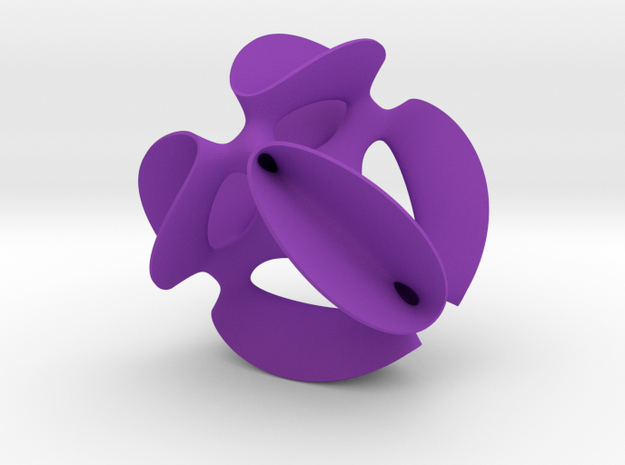
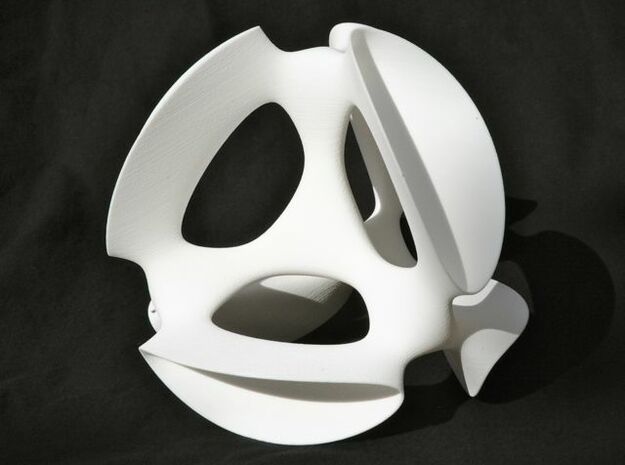
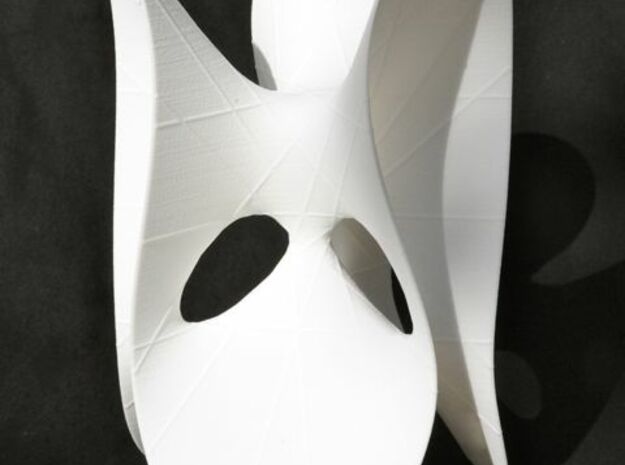
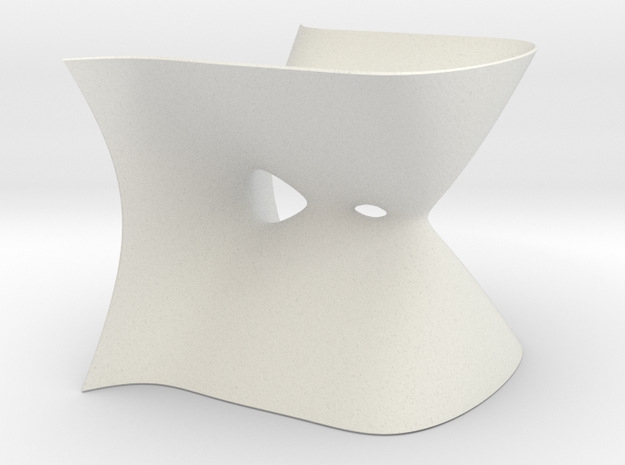
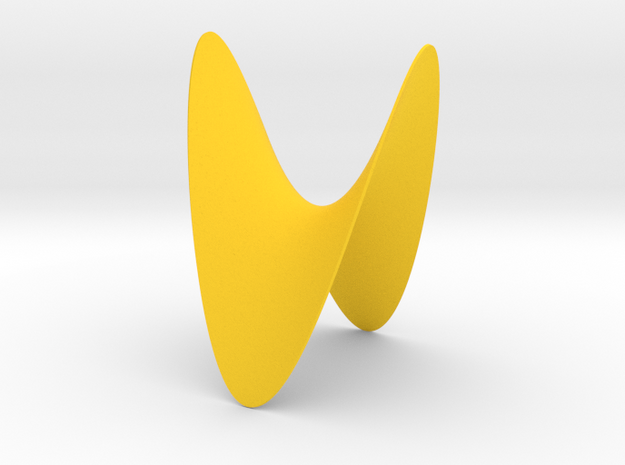
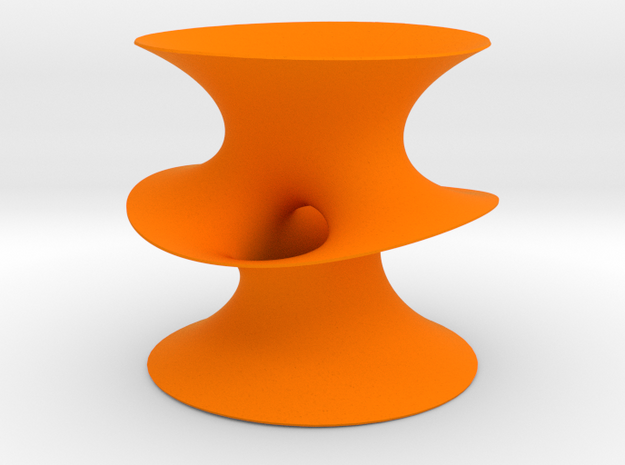
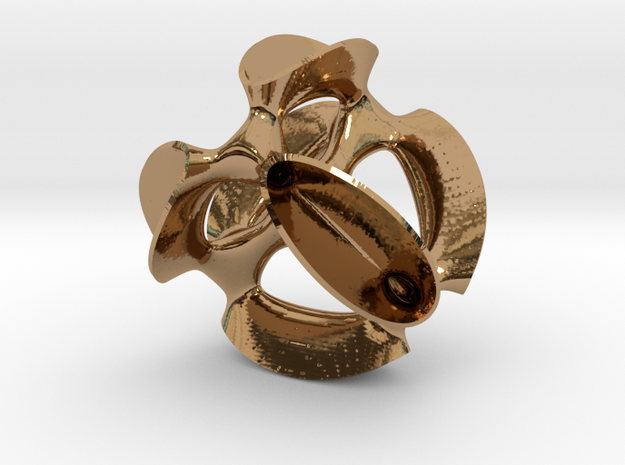
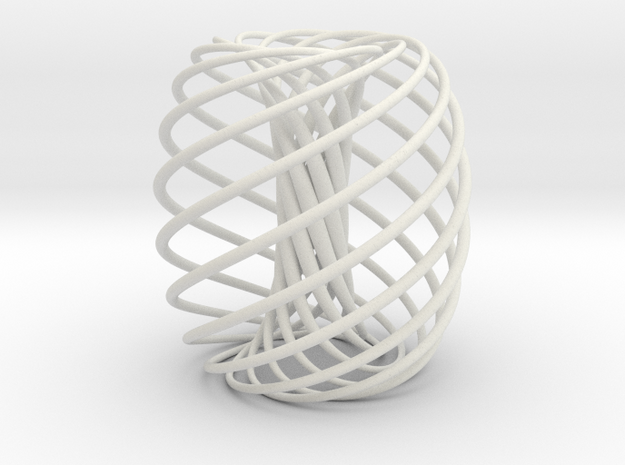
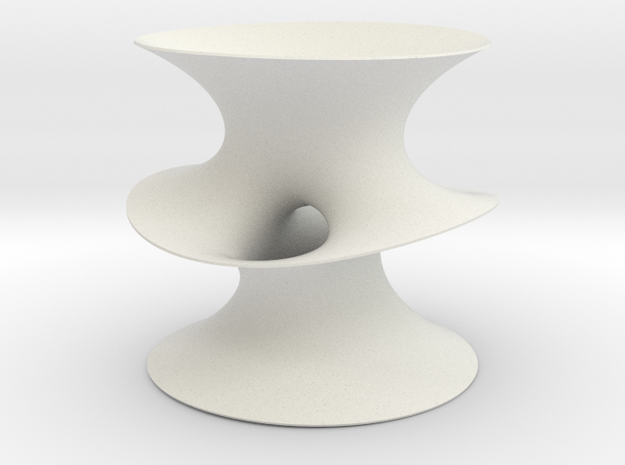
This Math Object has four "tunnels" or "passages"; these come from a small deformation of our A4-Singularity Surface Math Model.
See also MO-Labs.com.
 
(0)  
  •  
From: $31.25
 
by MOLabs
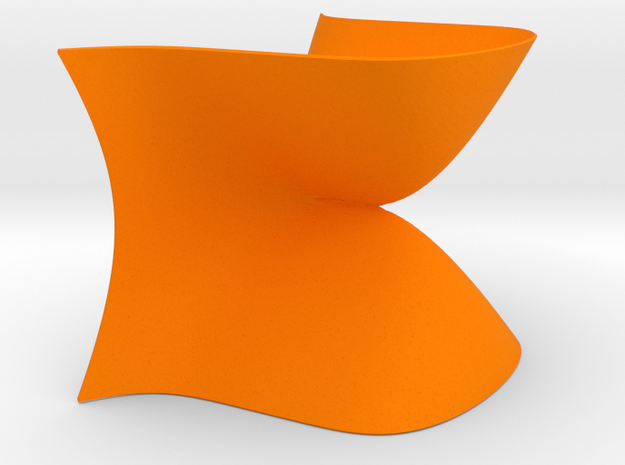
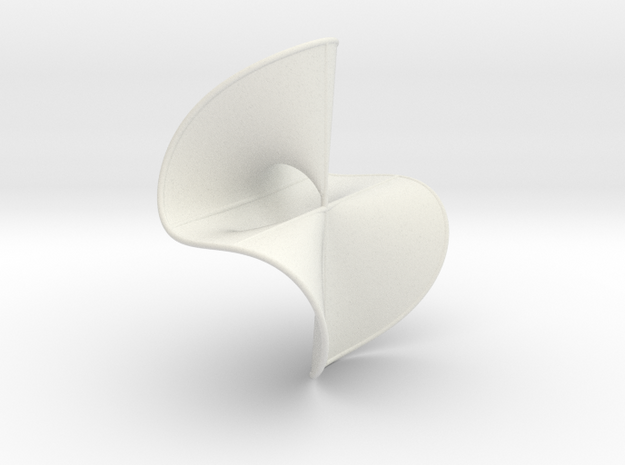
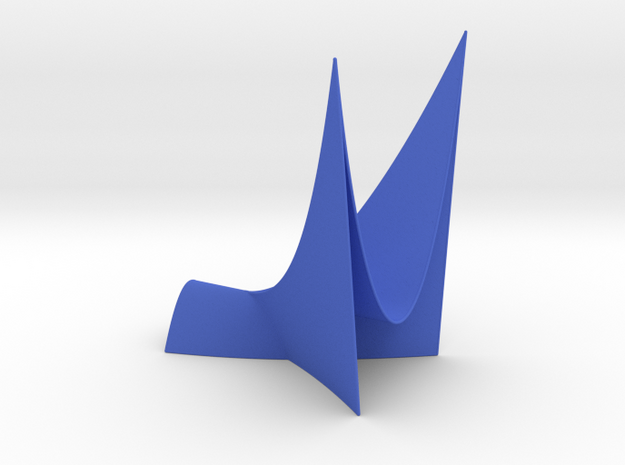
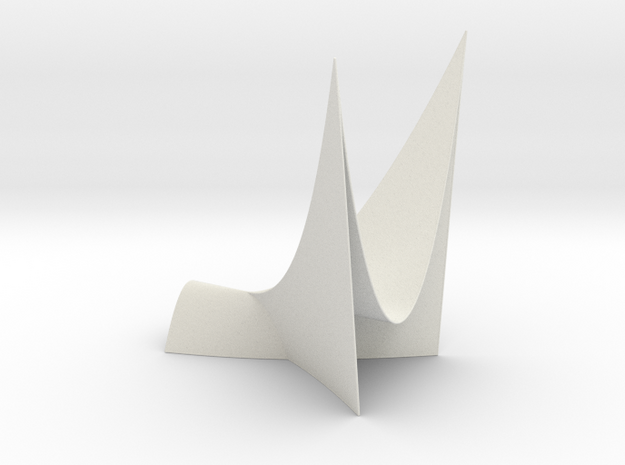
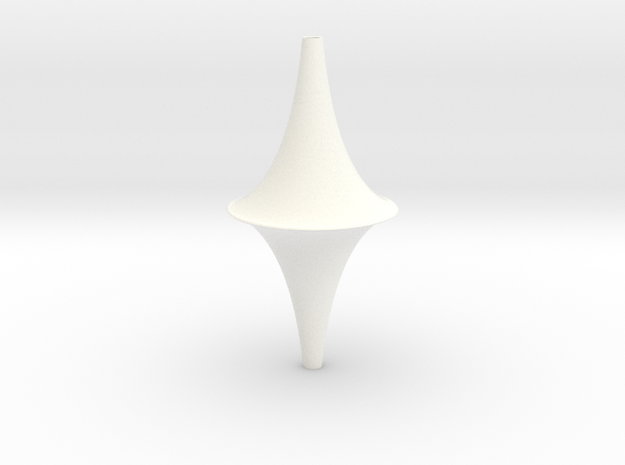
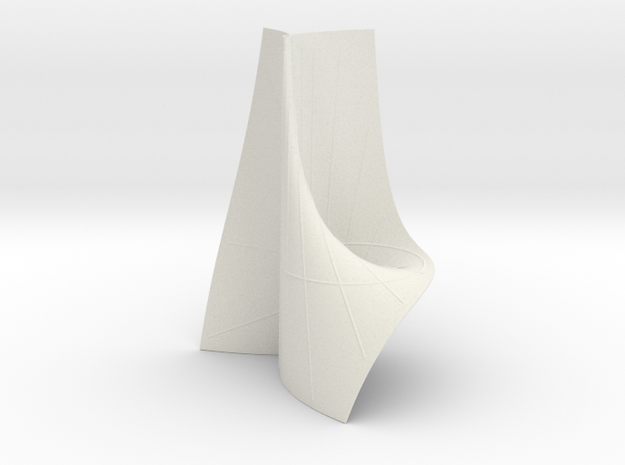
The contour of the shape of this Math Object is essentially the M in our logo. Notice how the two branches meet in the middle of the letter, similar to the parts of the shape.
In math terms, such an apex is called singularity; more specifically, it is an A4-singularity or higher cusp singularity.
A small deformation of this surface is also available.
See also MO-Labs.com
 
(0)  
  •  
From: $28.47
 
by MOLabs
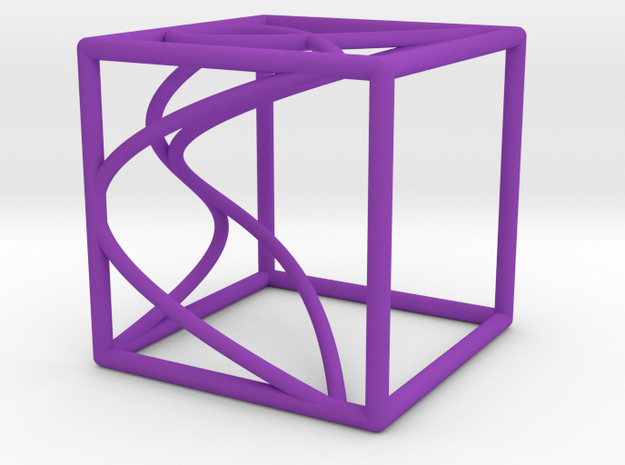
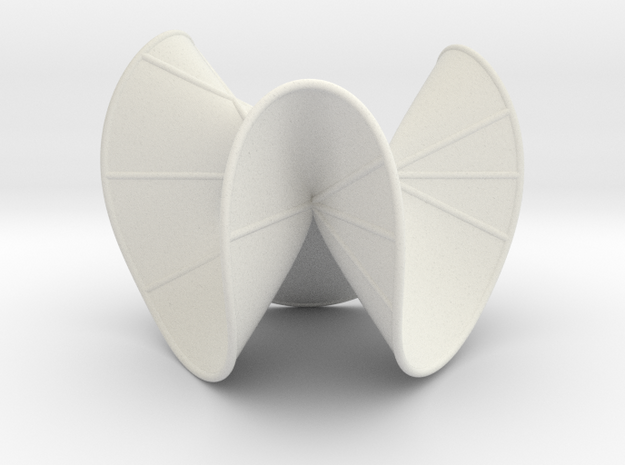
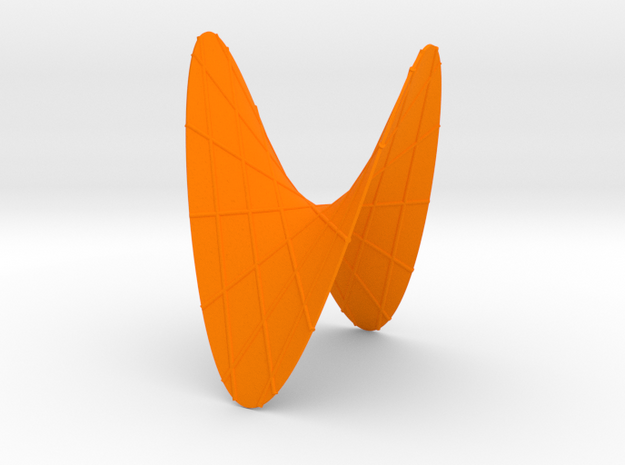
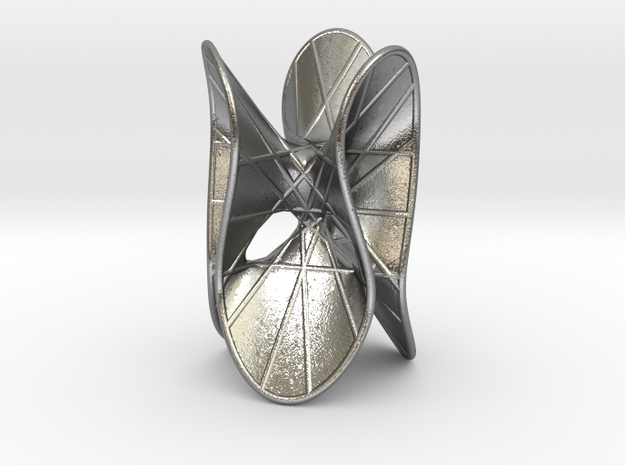
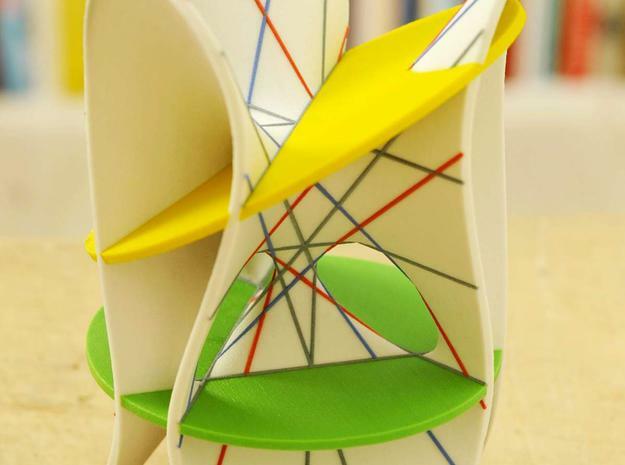
Cubic Surfaces belong to the most classical Math Models. The Clebsch Diagonal Surface even made it to the 1892 Chicago World Fair. Knörrer and Miller classified cubic surfaces in a modern way in the 1980s, and found essentially 45 different types apart from some other more special types. Every non-ruled cubic contains a certain number of straight lines (27 or less). For each of the 45 types, we produced one example which shows all real lines contained in the surface. The example shown here is number 29. See also: MO-Labs.com.
 
(0)  
  •  
From: $17.98
 
by MOLabs
Cubic Surfaces belong to the most classical Math Models. The Clebsch Diagonal Surface even made it to the 1892 Chicago World Fair. Knörrer and Miller classified cubic surfaces in a modern way in the 1980s, and found essentially 45 different types apart from some other more special types. Every non-ruled cubic contains a certain number of straight lines (27 or less). For each of the 45 types, we produced one example which shows all real lines contained in the surface. The example shown here is number 42. See also: MO-Labs.com.
 
(0)  
  •  
From: $14.50
 
by MOLabs
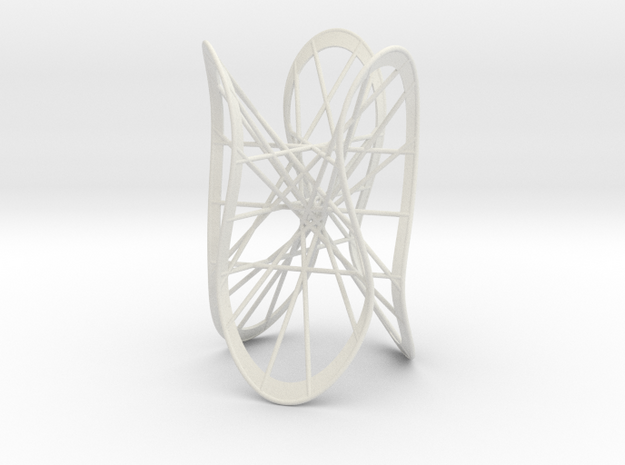
The greatest Clebsch model you've ever seen. This shows the full potential of modern 3d-printing: just a small part of the shape of the Clebsch Diagonal Surface, and all 27 lines! For a larger version or the whole surface, see our other models.
 
(0)  
  •  
From: $14.10
 
by MOLabs
The greatest Clebsch model you've ever seen. This shows the full potential of modern 3d-printing: just a small part of the shape of the Clebsch Diagonal Surface, and all 27 lines! For a smaller version or the whole surface, see our other models.
 
(0)  
  •  
From: $63.76
 
by MOLabs
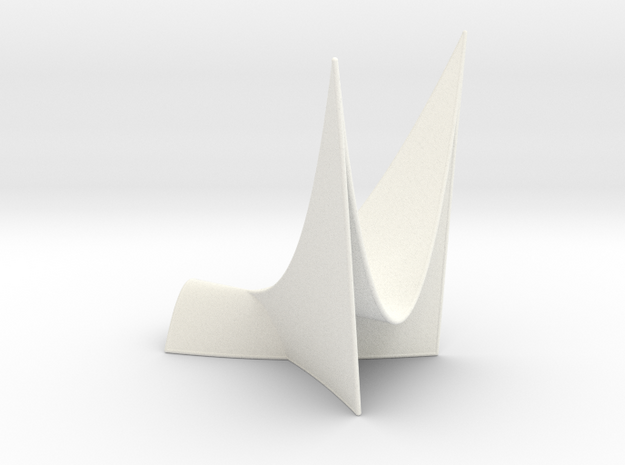
The Swallowtail is one of the very few surfaces of which there are several quite different historical models, and at the same time, it is one of the surfaces which appear in many different areas of mathematics. The shape of the one we show looks close to models around 1890 in Germany and the Netherlands. Most of the classical models, however, consisted of a metal structure with strings. The Swallowtail is known as the so-called discriminant of polynomials of degree four. More recently, the swallowtail became important in very different areas of mathematics, such as singularity theory and catastrophy theory.
 
(0)  
  •  
From: $97.70
 
Shop Details
MO-Labs creates Mathematical Objects of a great diversity. We have 3d-printed objects which we sell here, but we also have laser-in-glass objects, computer generated images and others. See MO-Labs.com for more information.